Historic Korean food sources add depth to modern product discovery by explaining context rather than certifying a packaged product as traditional.
Heritage gives context, not product proof
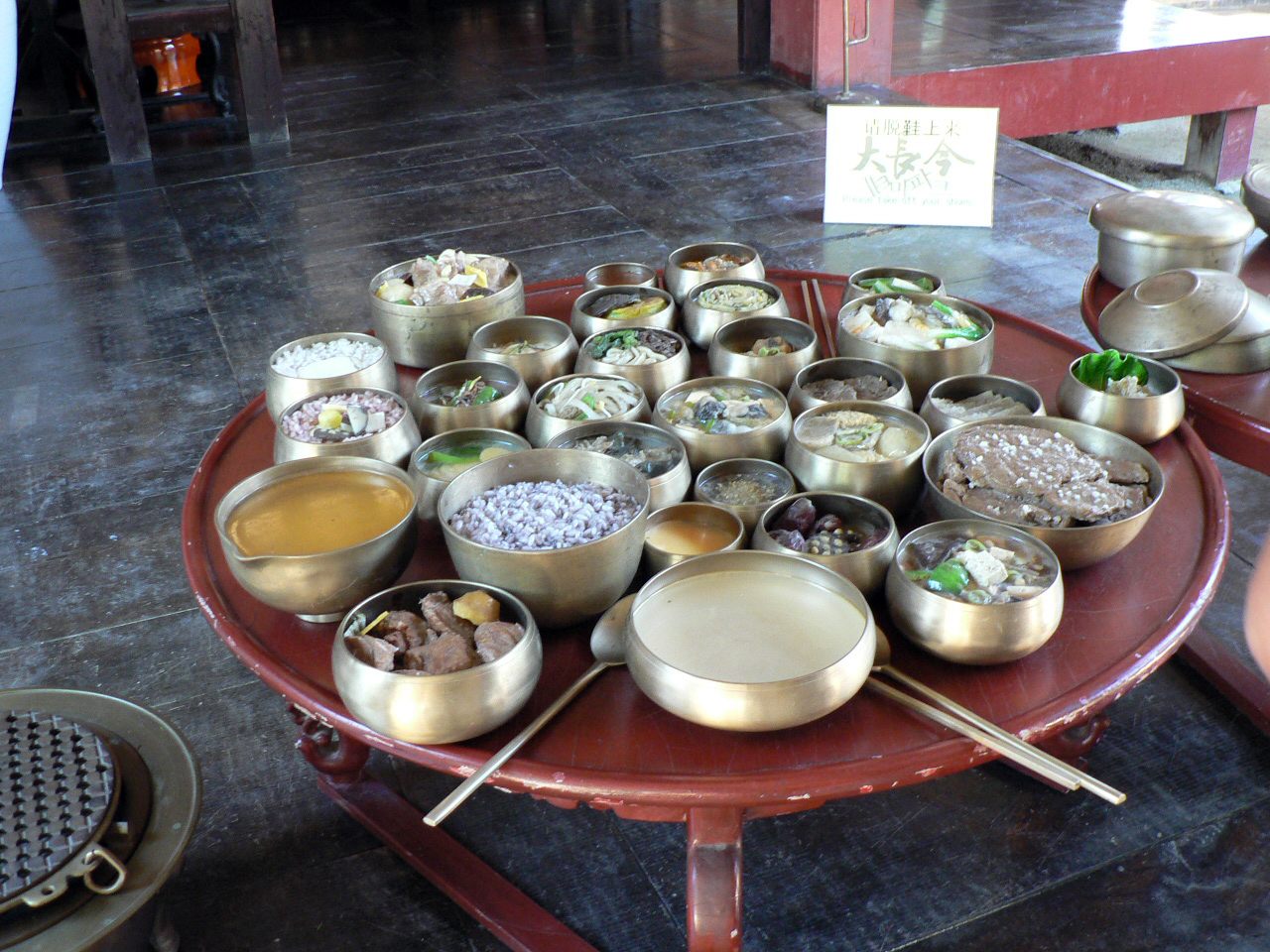
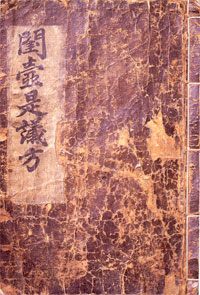
Royal cuisine and old cookbooks give KFoodHunter a way to explain table order, preparation habits, seasonal thinking, rice culture, sauces, sweets, and tea pairings. A modern packaged sauce, snack, or dessert stays separate from a court dish unless a product-specific source proves the connection.
Turn the table into food families
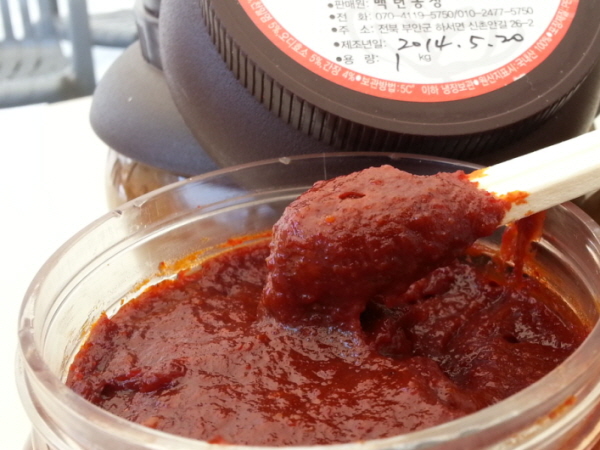
A royal-table story can become a practical browsing map: rice and grains as the meal base, sauces as flavor structure, sesame oil as a finishing cue, banchan as side-dish context, tea as a serving ritual, and sweets as giftable or dessert ideas.
Let Eumsik Dimibang widen the pantry story
Eumsik Dimibang is useful because it points beyond trend-driven K-food into stored foods, noodles, rice cakes, meat, seafood, fermentation, and everyday kitchen knowledge. That makes it a source-backed path for explaining why pantry categories are deeper than instant snacks alone.
Borrow the logic, not the ceremony
A modern shopper does not need to recreate a palace meal. The useful idea is structure: rice as the base, sauces as flavor direction, small dishes as variety, tea as a pause, and sweets as a finishing moment. That structure makes packaged pantry foods feel less random.
Make old sources practical
Historic sources help when they explain why a category exists. Stored foods point toward pantry readiness, rice cakes point toward texture and occasion, fermented sauces point toward depth of flavor, and tea pairings point toward slower dessert choices. The history creates context without becoming a product claim.
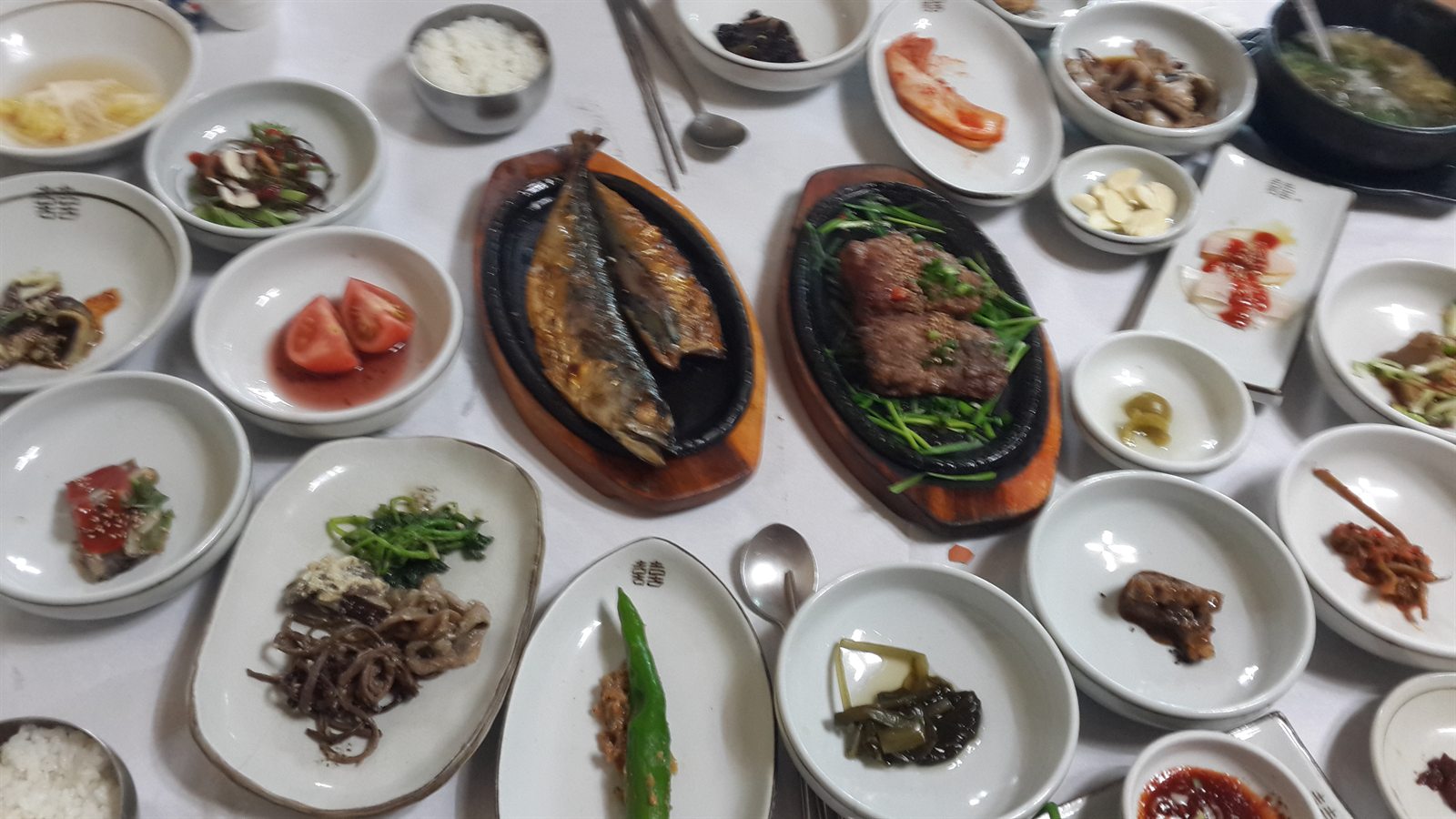
Use banchan as the organizing idea
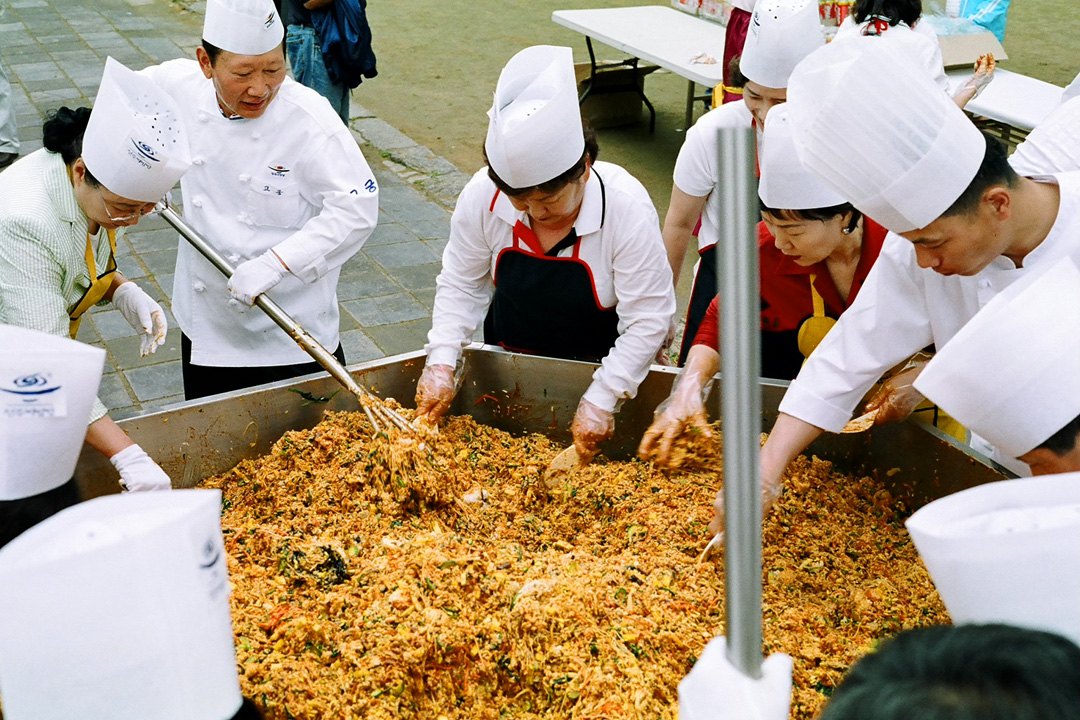
Banchan makes the modern pantry less random because it gives small foods a place beside rice. Seaweed, sauces, sesame oil, vegetables, pickled flavors, and small sweets do not need to become court cuisine; they can borrow the idea of variety, balance, and repeatable table rhythm.
Let rice cakes carry texture history
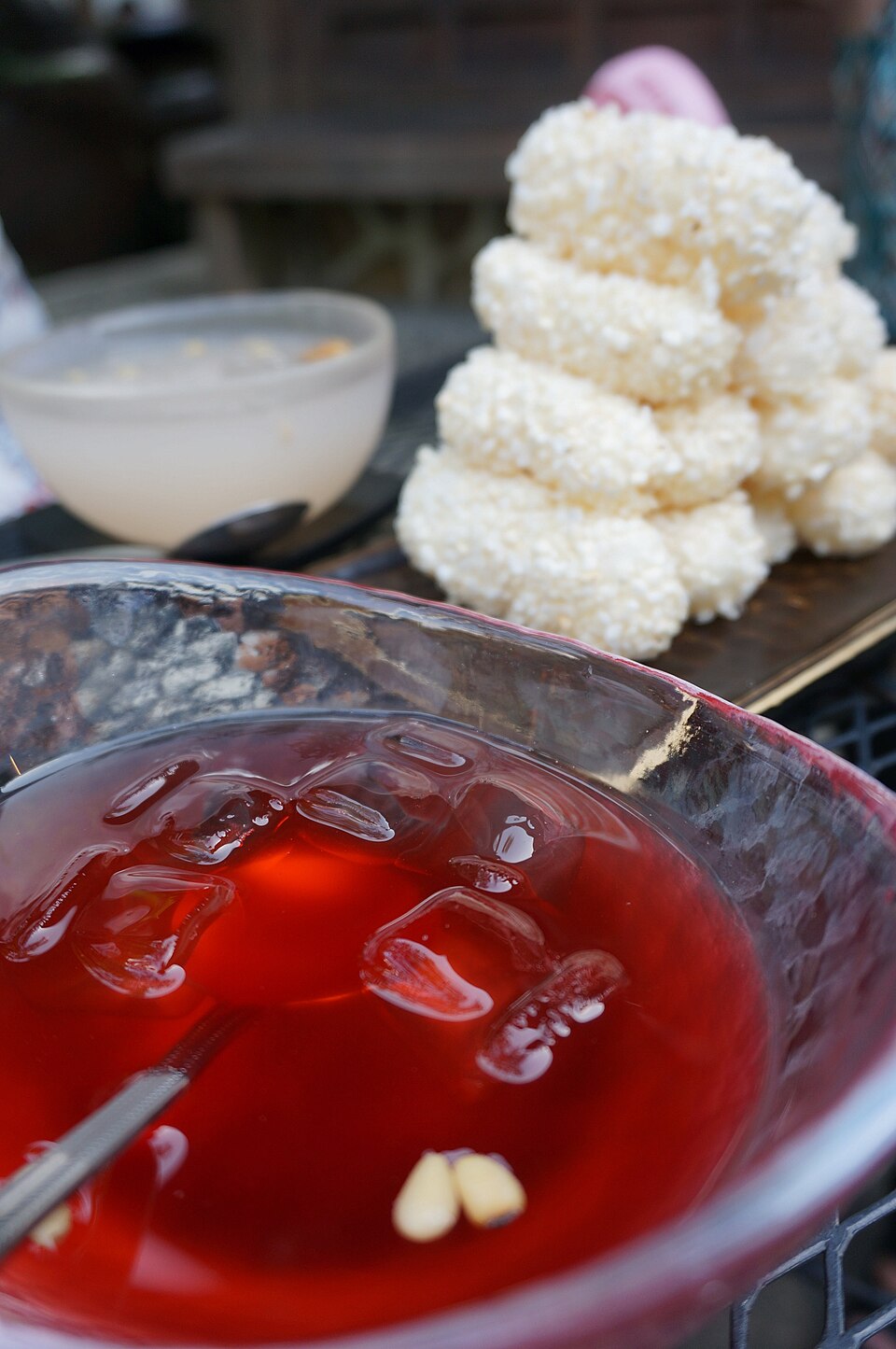
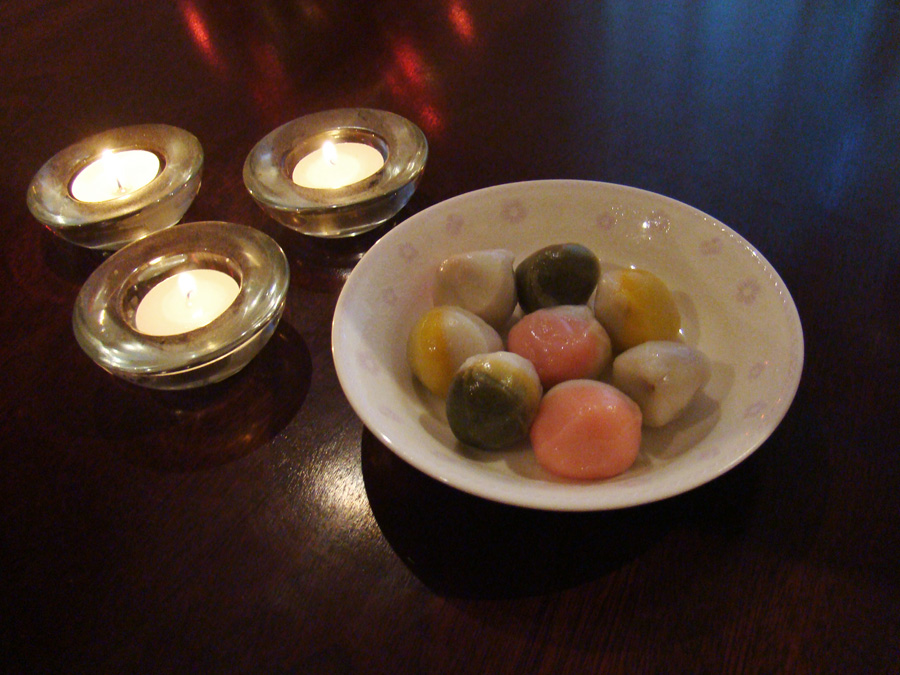
Rice cake references help explain why chewy, steamed, pan-fried, or sweet textures matter in Korean food. A modern packaged sweet or mix can stay modern while the guide uses rice cake history to explain softness, ceremony, tea pairing, and seasonal memory.
Place tea after the meal
Tea gives the heritage guide a quiet ending. Barley tea, fruit tea, omija, and simple warm cups can sit after rice, sauce, and banchan as a serving pause. The value is flavor, temperature, and table order, not wellness language or historic certification.
Let modern packaging stay modern
A jar, pouch, snack bag, tea bag, or dessert box can carry a traditional flavor cue without becoming a historic dish. Clear language keeps the packaged product in the present while still giving shoppers enough table culture to understand why the flavor belongs.
Keep the modern food choice simple
For English-speaking food shoppers, start with legible product families: gochujang, ssamjang, roasted sesame oil, mixed-grain rice, barley tea, yakgwa, and red bean jelly. Heritage adds confidence and texture while the page remains easy to scan.
Layer the media
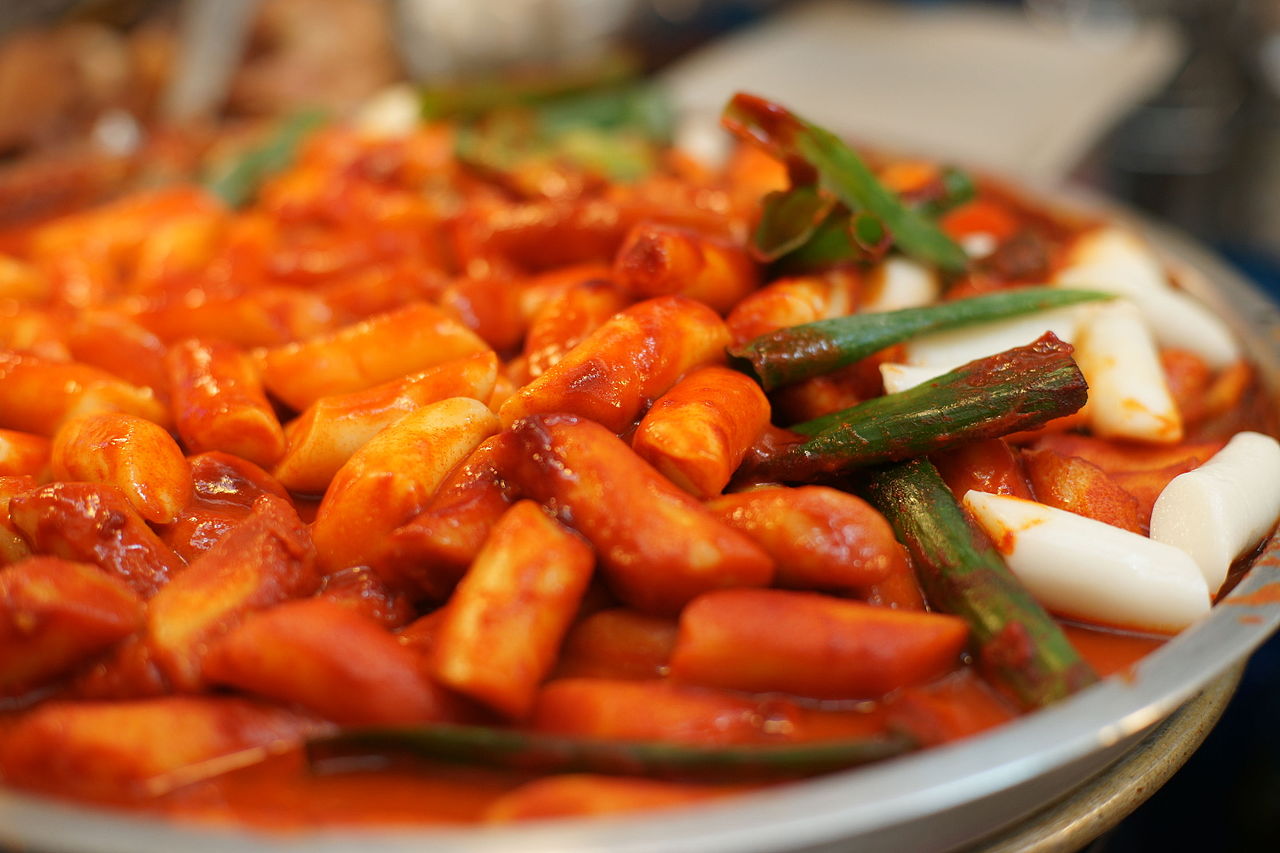
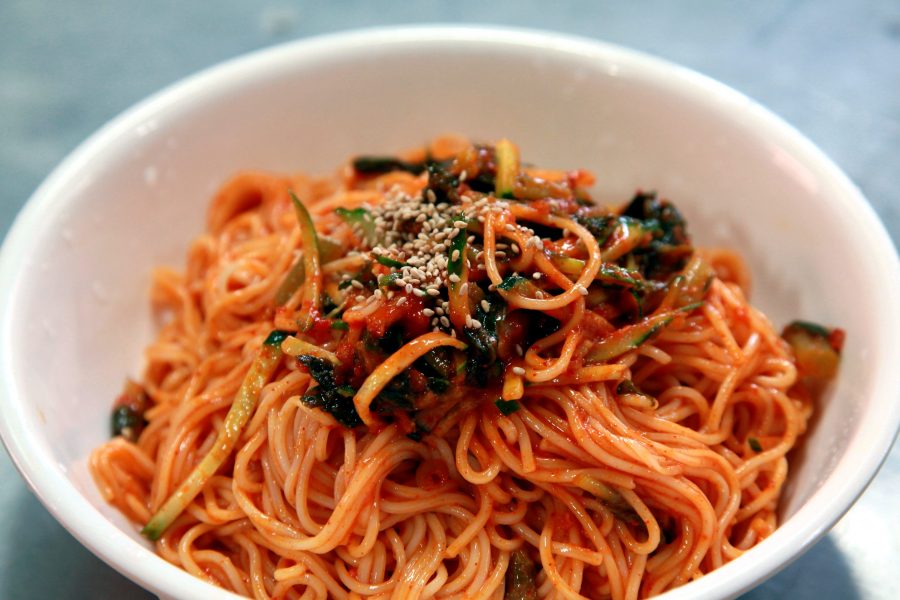
The right visual mix is a traditional table photo for cultural depth, modern food photography for appetite, Mixboard packaging scenes for export preparation, and open-license museum or archive material only when attribution and usage terms are clear.
Separate buyer signals from heritage storytelling
If a buyer reacts to heritage-driven content, the next step is still category, market, channel, volume, label, and product documents. Historic context can help explain demand, but it does not replace import review, supplier qualification, or regulatory work.