You keep seeing tteokbokki, ramen, or kimbap.
The first job is to understand which flavor, format, and preparation path fits your table.
 KFoodHunter
Korean food, matched to real cravings
A crisp snack, a spicy bowl, or a warm cup of tea. Find the Korean flavors you are craving and see how they fit your table.
What sounds good right now?
A crisp snack, a spicy bowl, a warm tea, a giftable sweet, or a small rice-table move can lead the next click while appetite stays in charge.
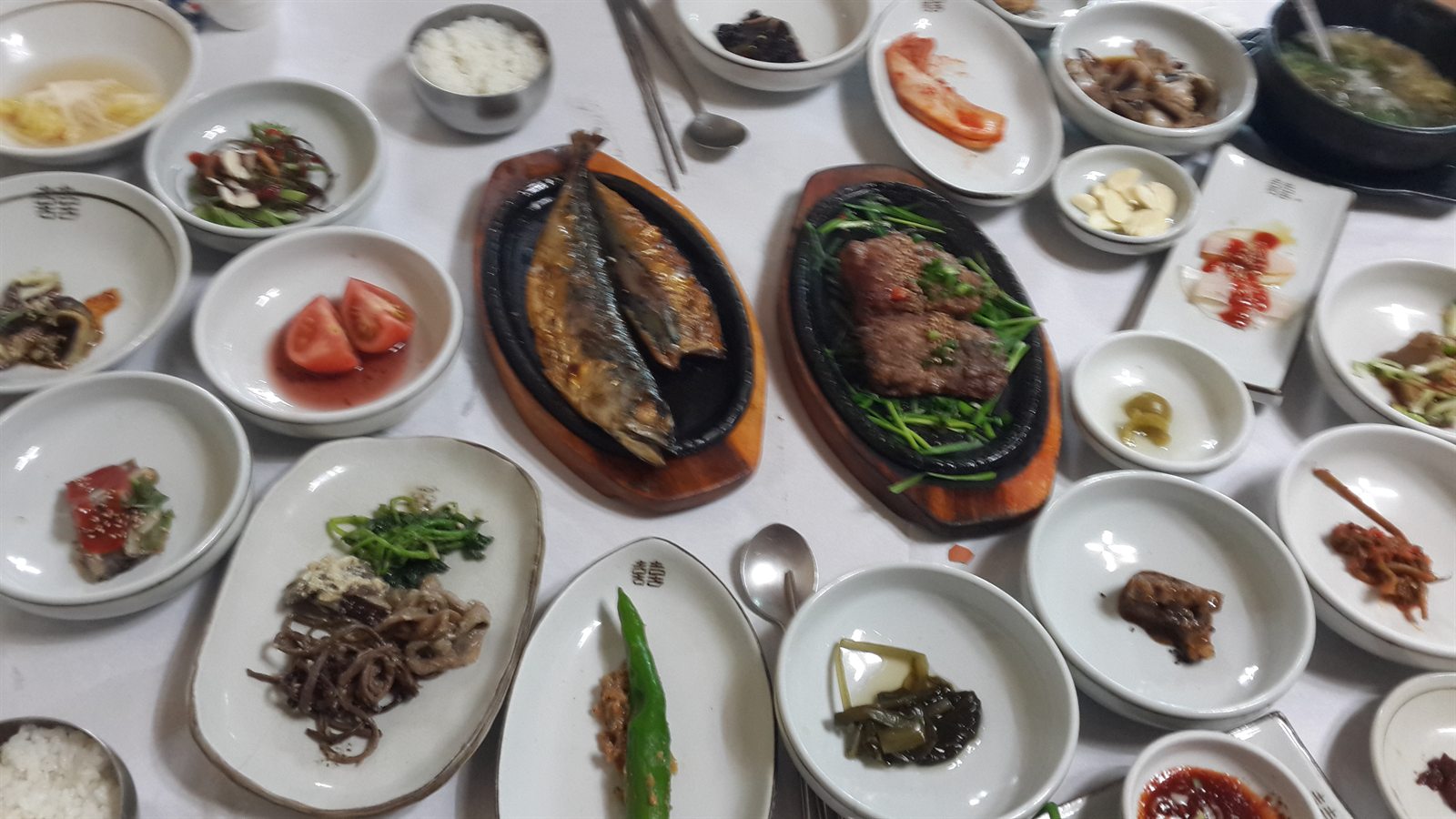
A first Korean pantry feels natural when it begins with one small table: rice or noodles, crisp seaweed, a spoon of sauce, sesame or tea, and a food that can repeat next week.
This is the low-friction moment for someone who wants K-food at home without learning a long recipe or building a full pantry at once.
The table logic comes from everyday hansik structure: rice as base, banchan nearby, sauces for direction, and tea or sweets as a quiet finish.
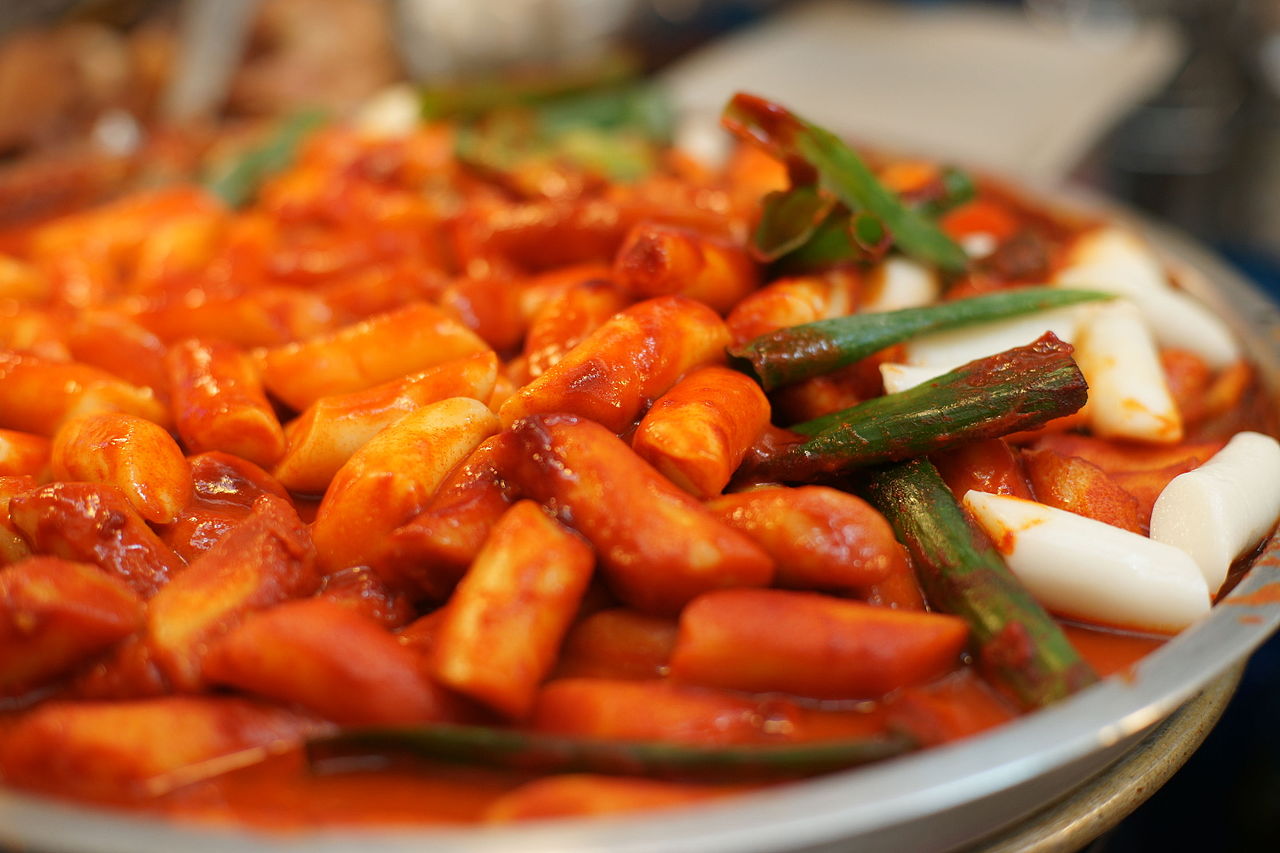
The craving is usually sauce first: spicy-sweet, glossy, warm, and easy to imagine with rice cakes, noodles, fried snacks, vegetables, or a small late-night bowl.
This is the moment created by short videos, restaurant memories, and after-work comfort when someone wants the flavor before they know the exact item.
The deeper context is Korean sauce culture: gochujang, dipping bowls, rice, vegetables, shared plates, and side dishes carrying heat across a table.
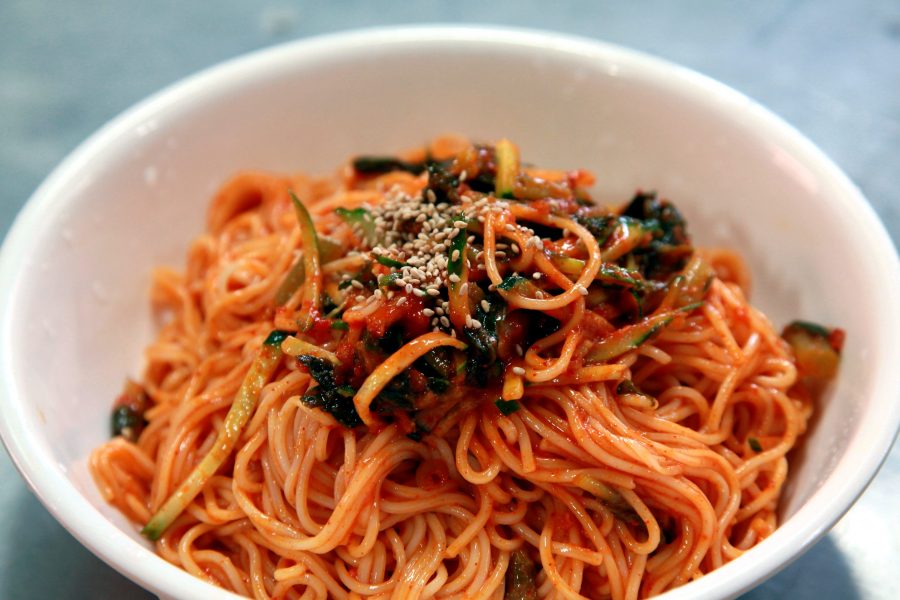
A noodle night can be spicy broth, black-bean comfort, cold summer bite, or quick rice-bowl fallback. The useful path is meal mood, not one generic ramen idea.
This is the high-recognition K-food moment: simple enough for a weeknight, but still shaped by heat level, toppings, portion count, and preparation style.
Korean noodle context also touches stored sauces, wheat and starch textures, cold serving habits, broths, rice sides, and seasonal table rhythms.
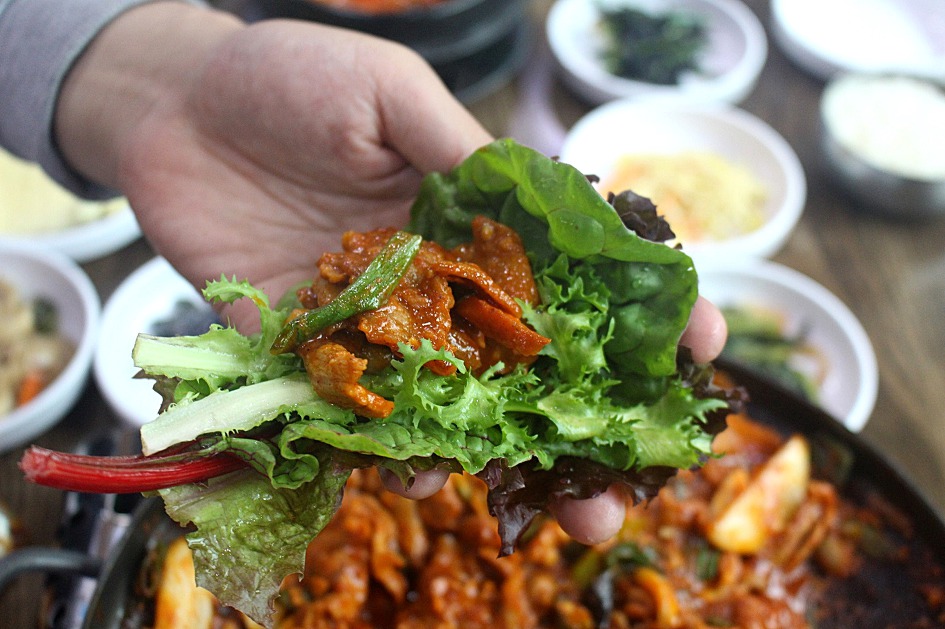
Barbecue-style K-food becomes easier to understand when the sauce, wrap, vegetable, rice, and shared plate all appear in the same table picture.
This is the dinner-party or weekend-cooking moment where a shopper wants something social, saucy, and recognizable without turning the page into a recipe.
The table context is ssam logic: greens, fermented pastes, rice, grilled food, small dishes, and dipping cues giving each pantry item a clear role.
After the bite
KFoodHunter sits beside the table: a way to name texture, heat, serving size, gift fit, and Korean food context before narrowing into a specific item.
The first job is to understand which flavor, format, and preparation path fits your table.
A sauce, tea, rice add-on, or snack works best when it solves one small meal moment before becoming a larger pantry habit.
Korean sweets, tea, snacks, and samplers work best when the recipient can understand texture, occasion, and serving style.
Royal cuisine, old cookbooks, street food, and modern packaging help explain why a product belongs on the table.
Start with the craving
Start with snacks, sauces, noodles, rice add-ons, and tea guides that explain use before brand choice.
Build discovery around texture, shareability, pack count, and giftable snack moments.
Compare dips, marinades, bases, and finishing sauces by meal use rather than vague flavor claims.
Korean tea, yakgwa, jelly, and small sweets create a slower gift or dessert path.
Food memory
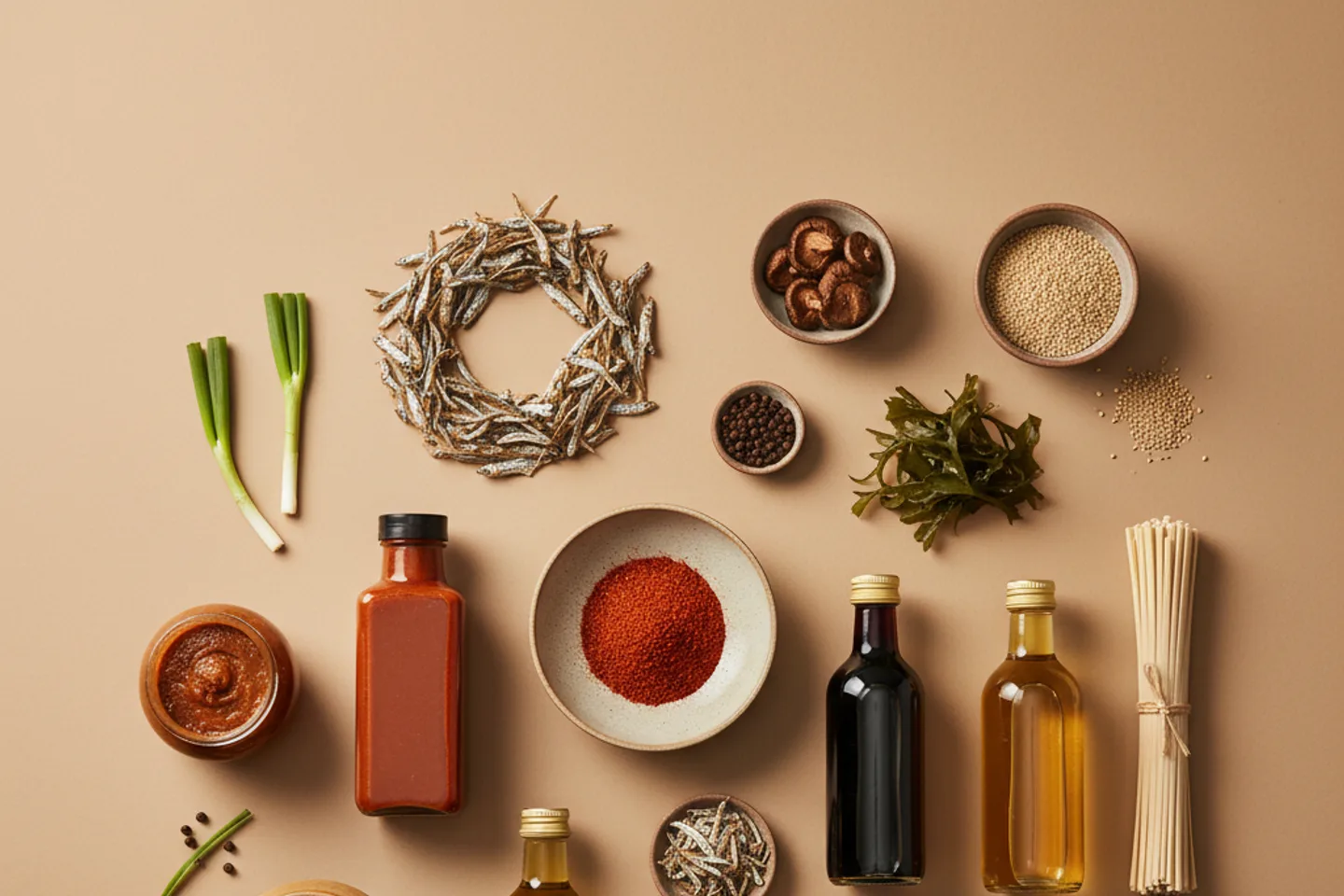
Lead with street-food energy, snackable formats, fast meals, and craving-ready discovery paths that feel easy to understand quickly.

Anchor the site in old cookbook sources, banchan, table culture, fermented sauces, and heritage formats without making unsupported health or compliance claims.
Food story paths
A spicy-sweet street-food craving often begins with rice cakes, noodles, or a quick sauce bowl after work.
The deeper table story is sauce culture: gochujang, dipping sauces, rice, vegetables, and shared side dishes all help explain the flavor before a product link appears.
A first noodle choice can be spicy broth, black-bean comfort, cold summer bite, or a quick pantry meal.
Korean noodle context also touches stored sauces, wheat and starch textures, cold serving habits, and rice-bowl fallback meals.
A simple rice bowl becomes easier when seaweed, sesame oil, sauce, grains, or a dry mix has one clear job.
Traditional table culture gives the product a place beside banchan, soup, fermented sauce, grains, and seasonal side dishes.
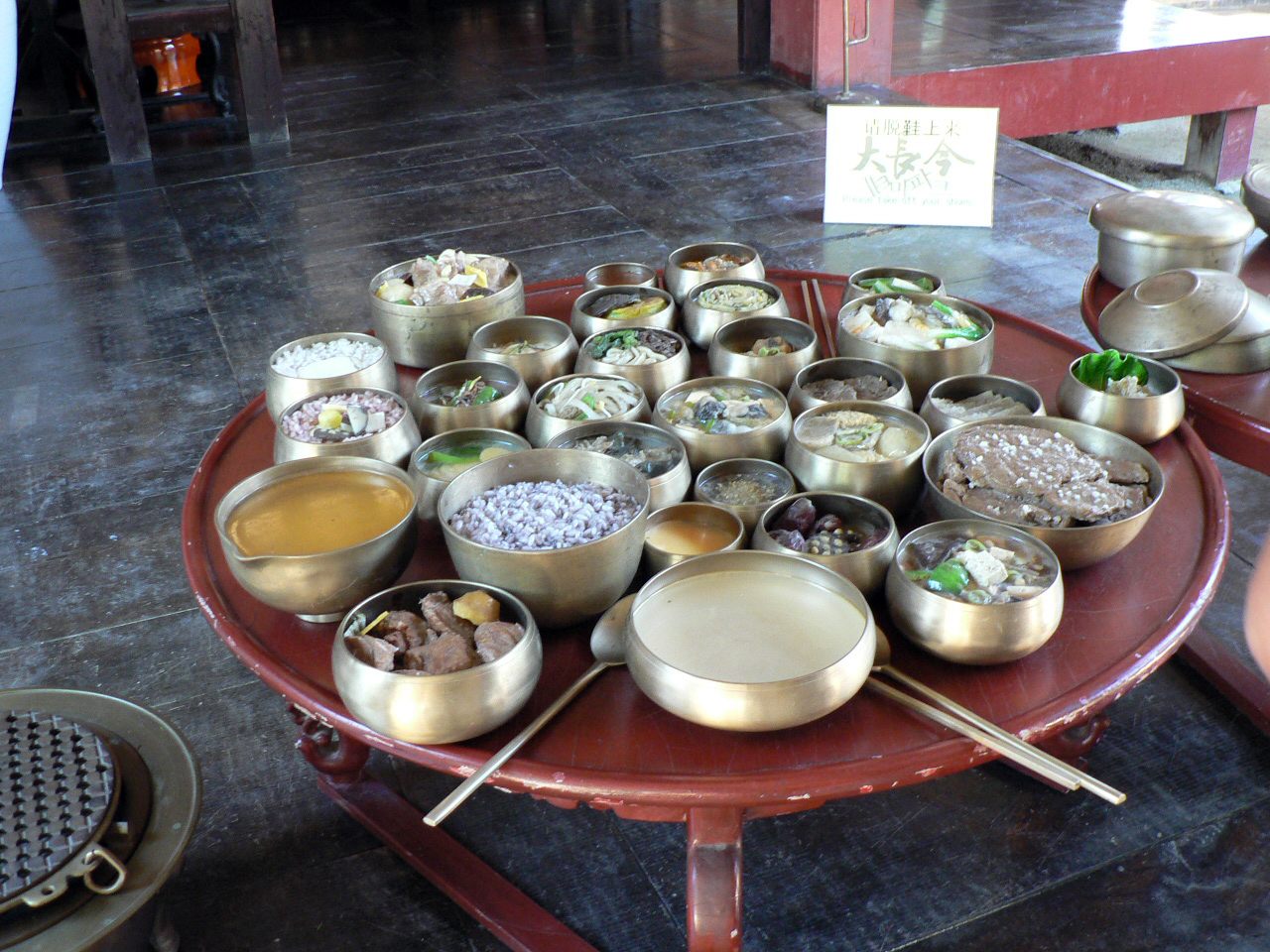
A giftable K-food choice often feels strongest when tea, sweets, packaging, serving size, and texture are easy to imagine.
Royal-table and old-cookbook context can add depth to sweets and tea while keeping modern packaged products separate from historic dishes.
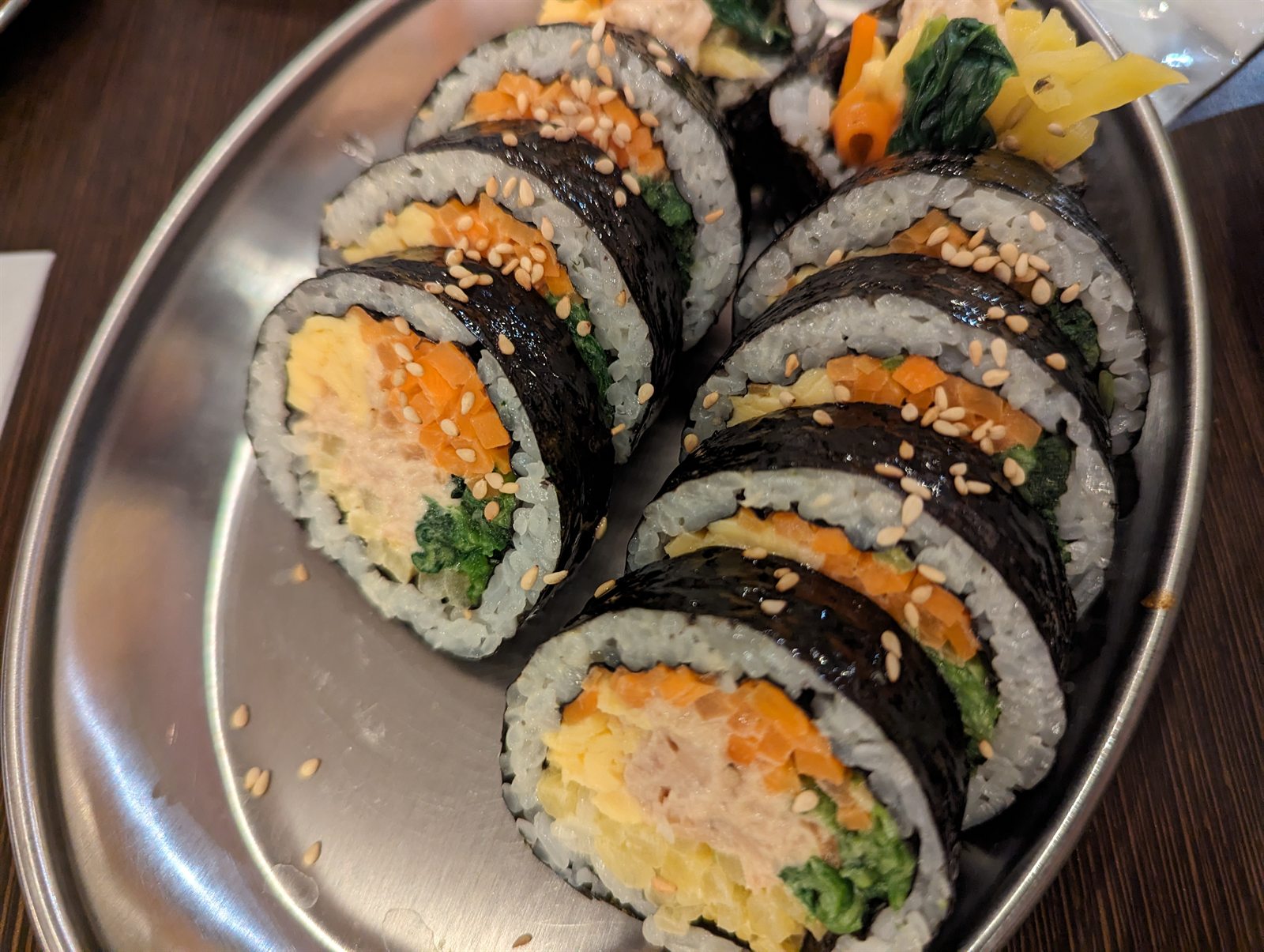
Kimbap makes rice, seaweed, sesame, vegetables, and lunchbox snacking feel familiar before a shopper opens a product page.
The same table logic helps explain seaweed sheets, rice toppers, sesame oil, small snacks, and low-prep pantry habits.
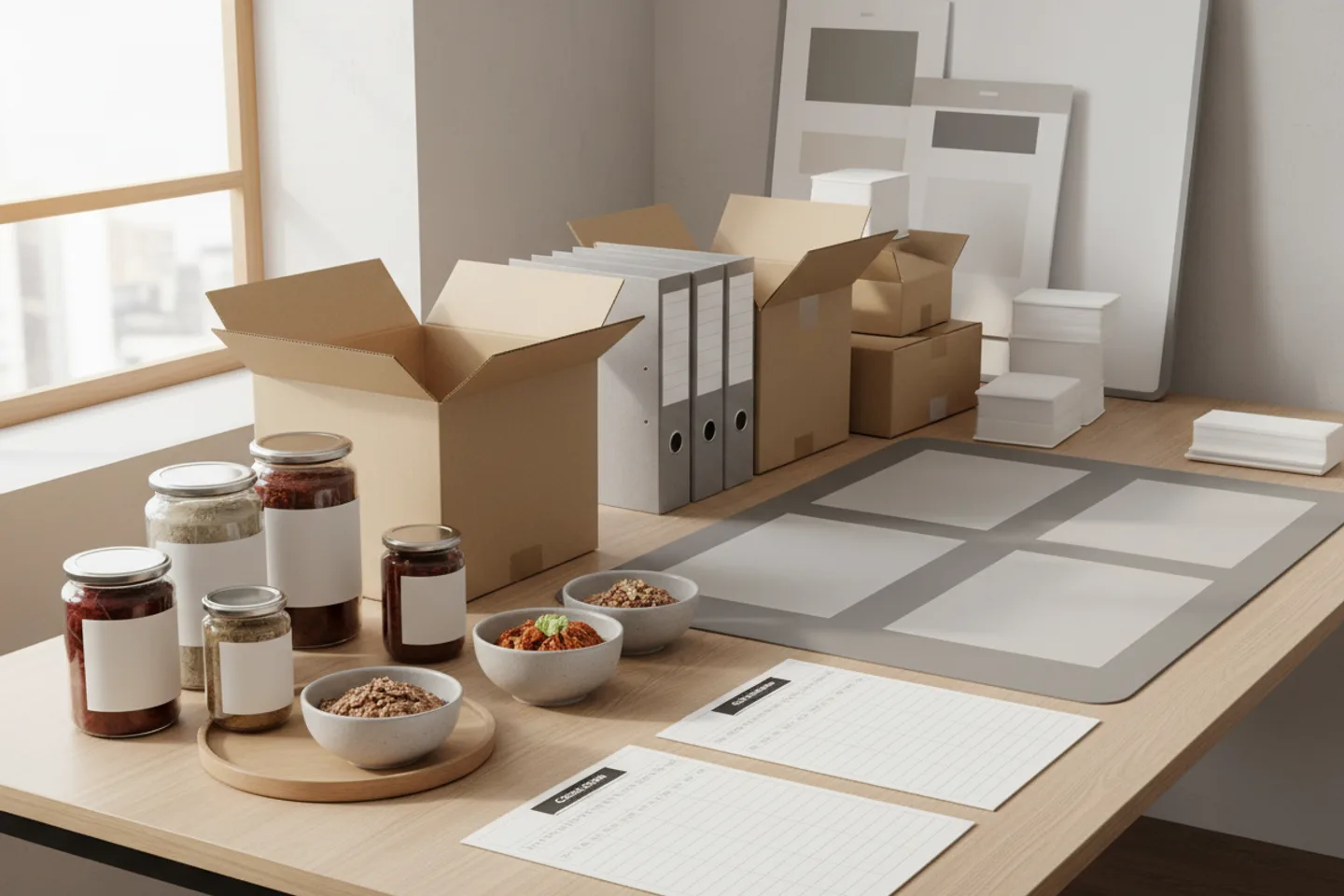
A retailer, distributor, or foodservice buyer may start from the same craving but needs channel, volume, pack, and document clarity.
Food culture helps explain demand, but sourcing work still depends on product facts, label material, shelf role, and responsibility boundaries.
Spicy comfort, crisp snack, quiet tea, lunchbox rice, sweet gift, and fast pantry meal all lead to different product families.
A product becomes easier to understand when it has a place beside rice, noodles, tea, sauce, banchan, dessert, or a sampler set.
Old cookbooks and royal-table sources create context for sauces, grains, sweets, and serving habits without turning history into a product claim.
Texture in motion
A short clip can answer what still photos miss: how bulgogi cooks, how barbecue gathers around the table, and how kimchi stew moves from heat to spoon.
For nights when the craving is shared: grill heat, vegetables, dipping sauce, and rice all belong in the same meal.
Thin slices, sweet-savory sauce, and fast heat make bulgogi easy to picture as a rice-bowl or wrap night.
A short boil shows why kimchi jjigae sits between pantry comfort, banchan, tofu, pork, and rice.
Look before choosing
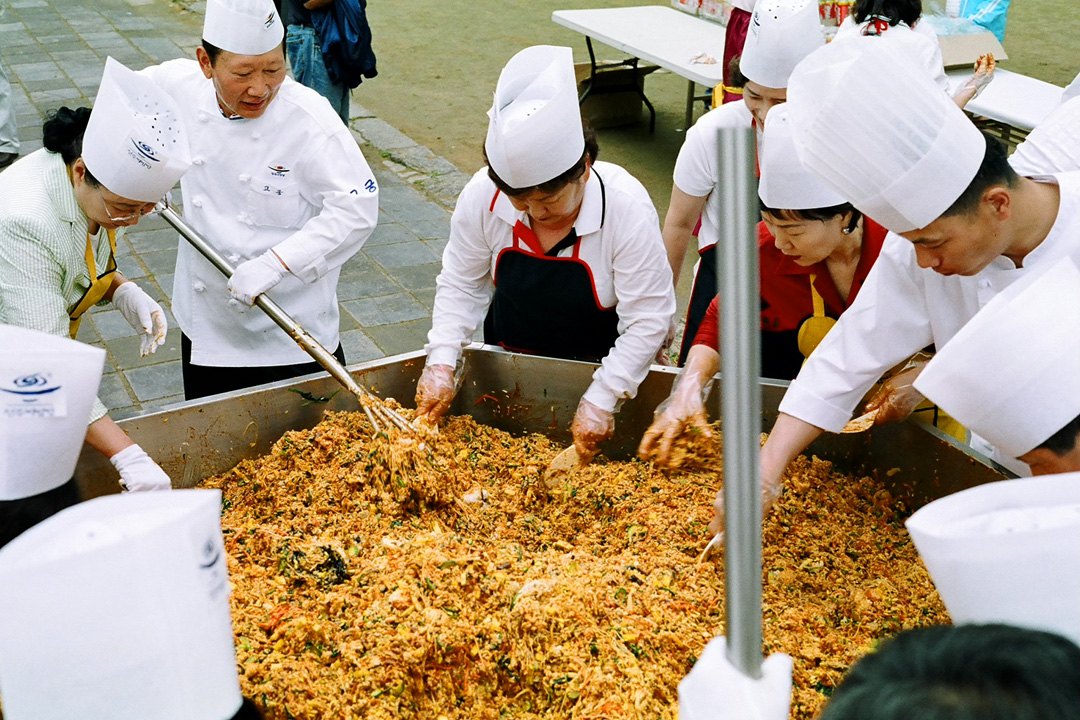
An open-license Jeonju bibimbap festival image that brings regional food culture into category and pantry discovery.
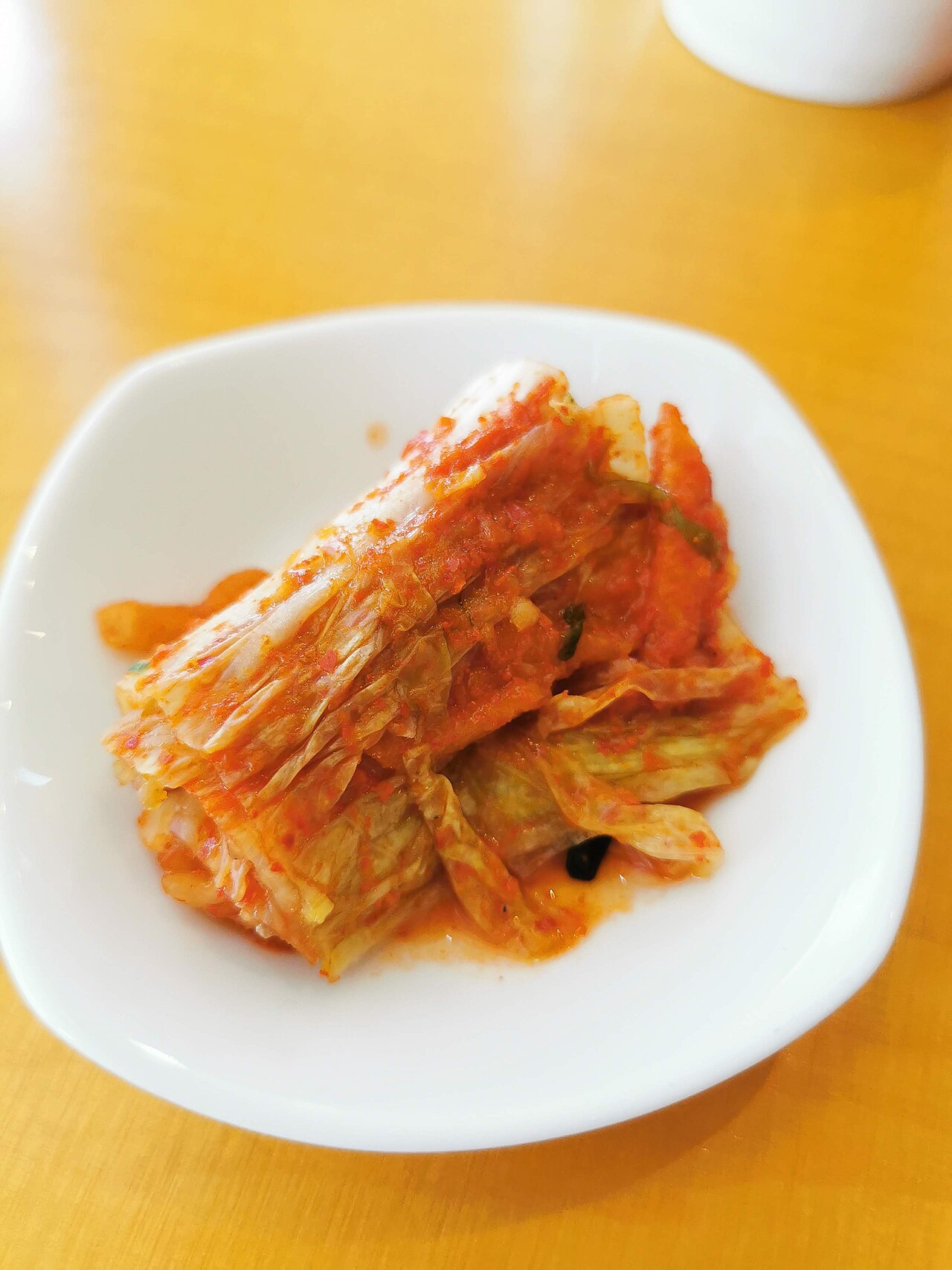
A close kimchi visual for fermented pantry context, banchan decisions, rice-bowl cues, and claim-safe food education.
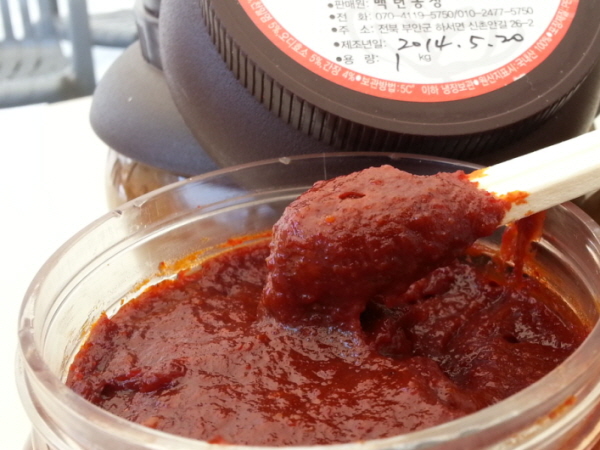
A food-specific gochujang visual for sauce, dip, marinade, spice, and rice-cake decision paths.

A regional tea-field visual that supports tea, beverage, gifting, and origin-context pages without wellness claims.
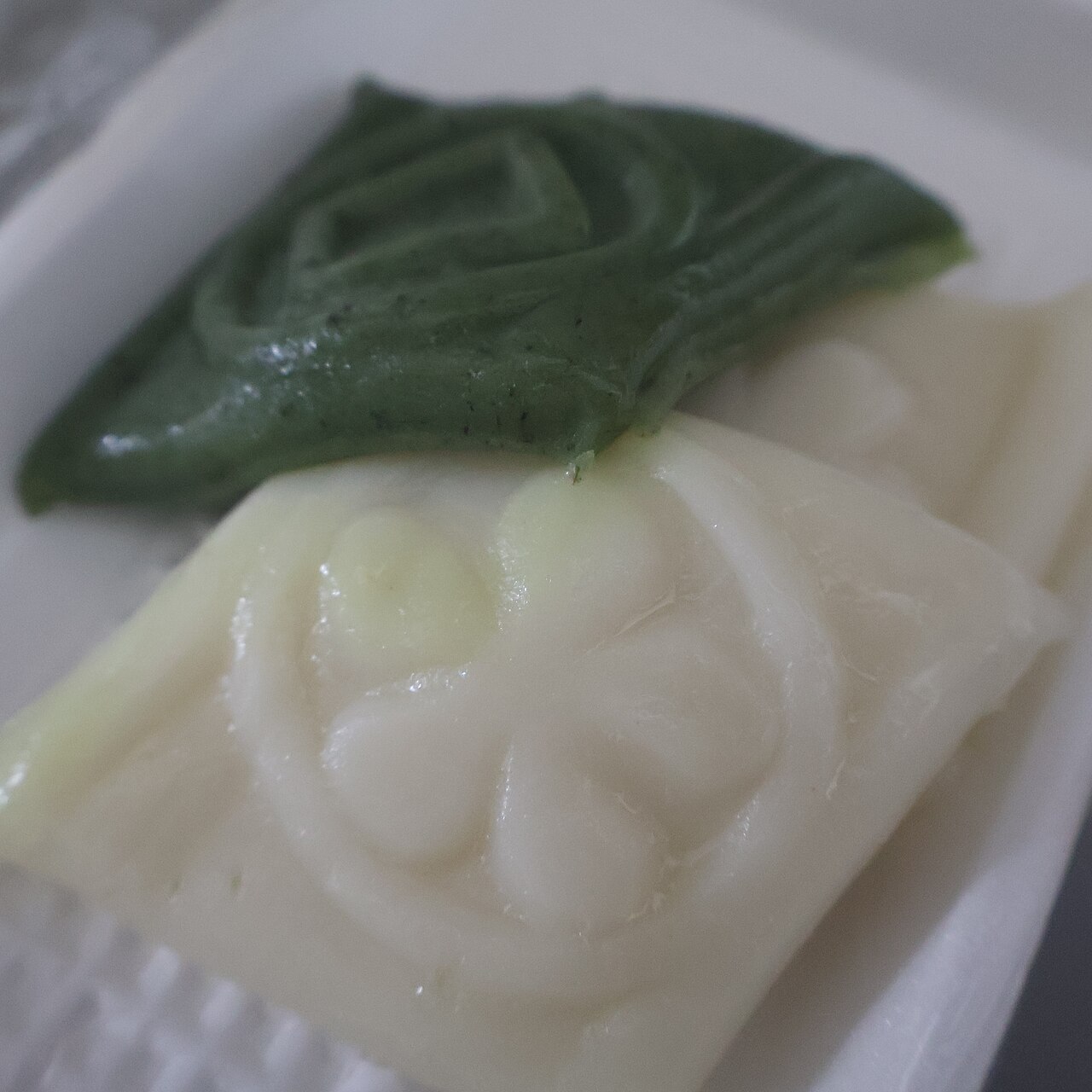
A close tteok visual for rice-cake texture, traditional sweet context, tea pairing, and giftable category education.

A neutral packaging visual for sampler boxes, giftable sweets, tea pairings, and browse-before-buy decisions.

A clean review-desk visual for label, allergen, claim, catalog, and buyer-material preparation content.
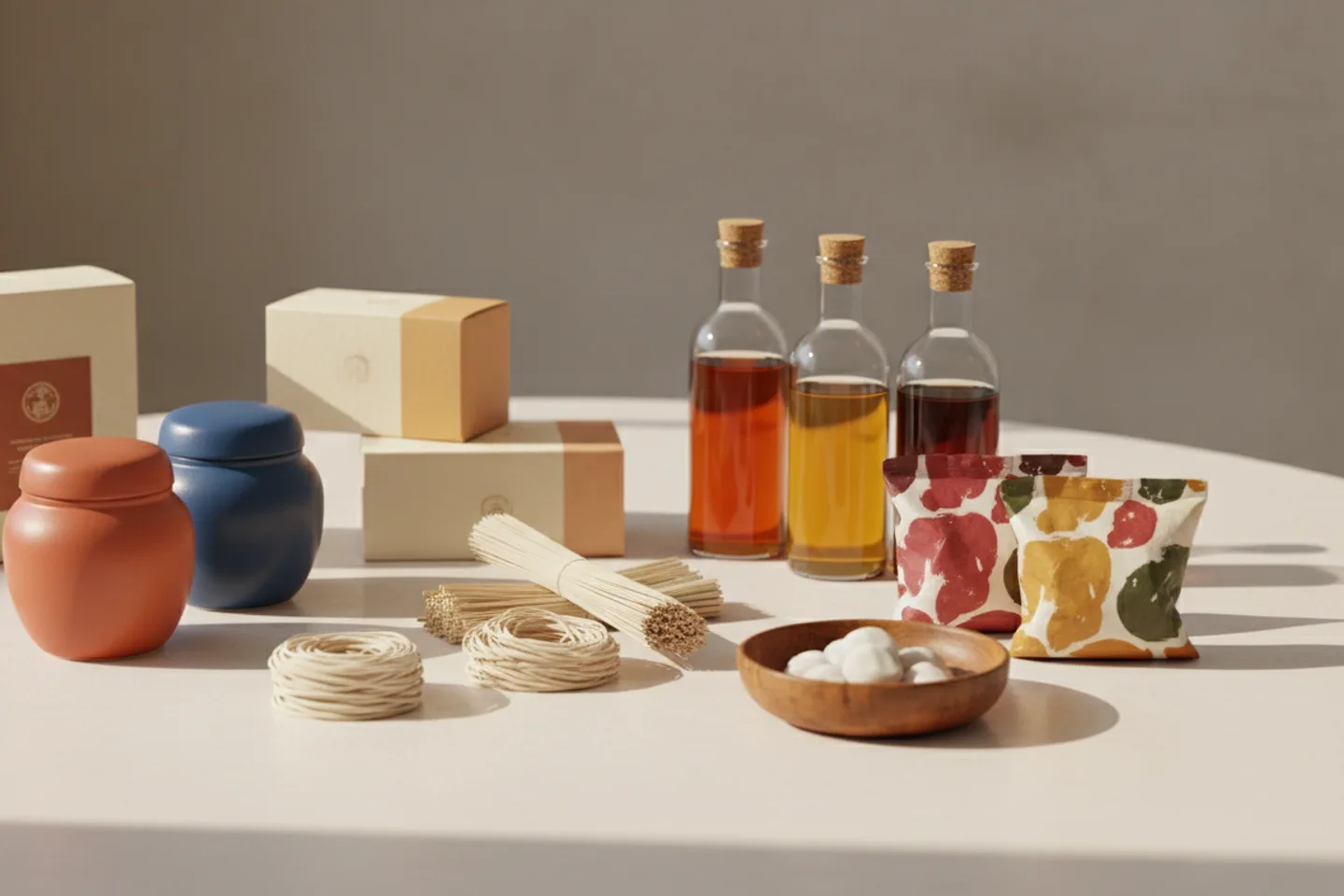
A Korean company preparation visual for catalog structure, product documents, and demand handoff.

A practical worktable visual for Korean manufacturers preparing samples, cartons, and buyer-facing materials.
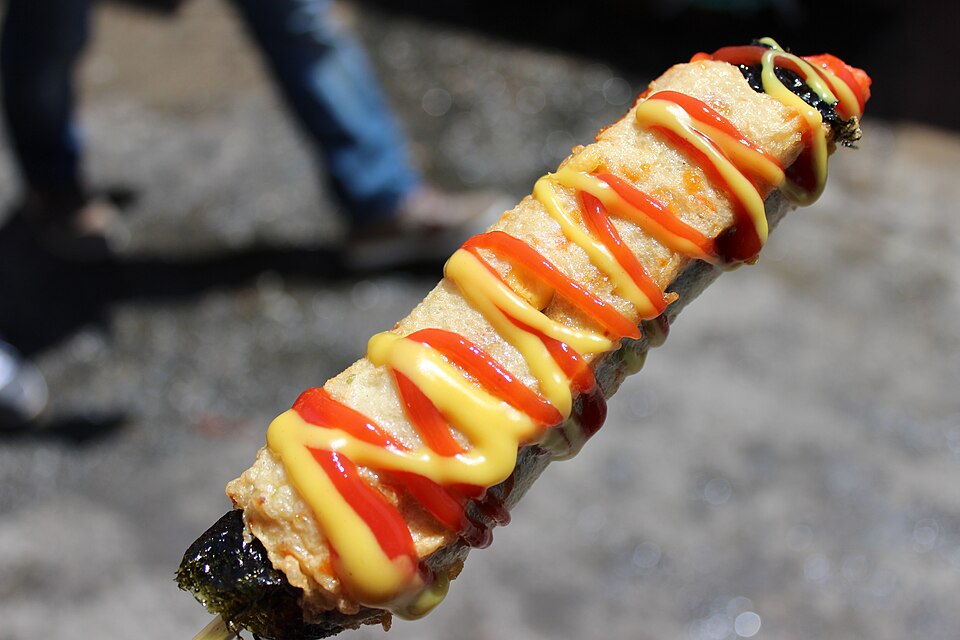
A Busan fish-cake visual that gives the snack path a regional street-food cue without treating one stall or product as proof.
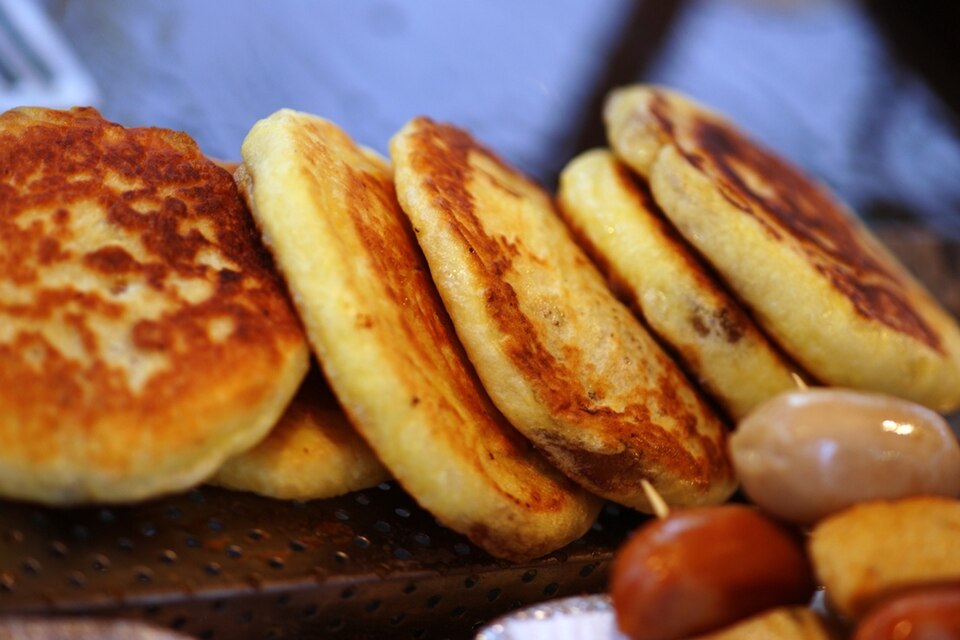
A hotteok visual for sweet street-food, winter snack, dessert, and sampler education.
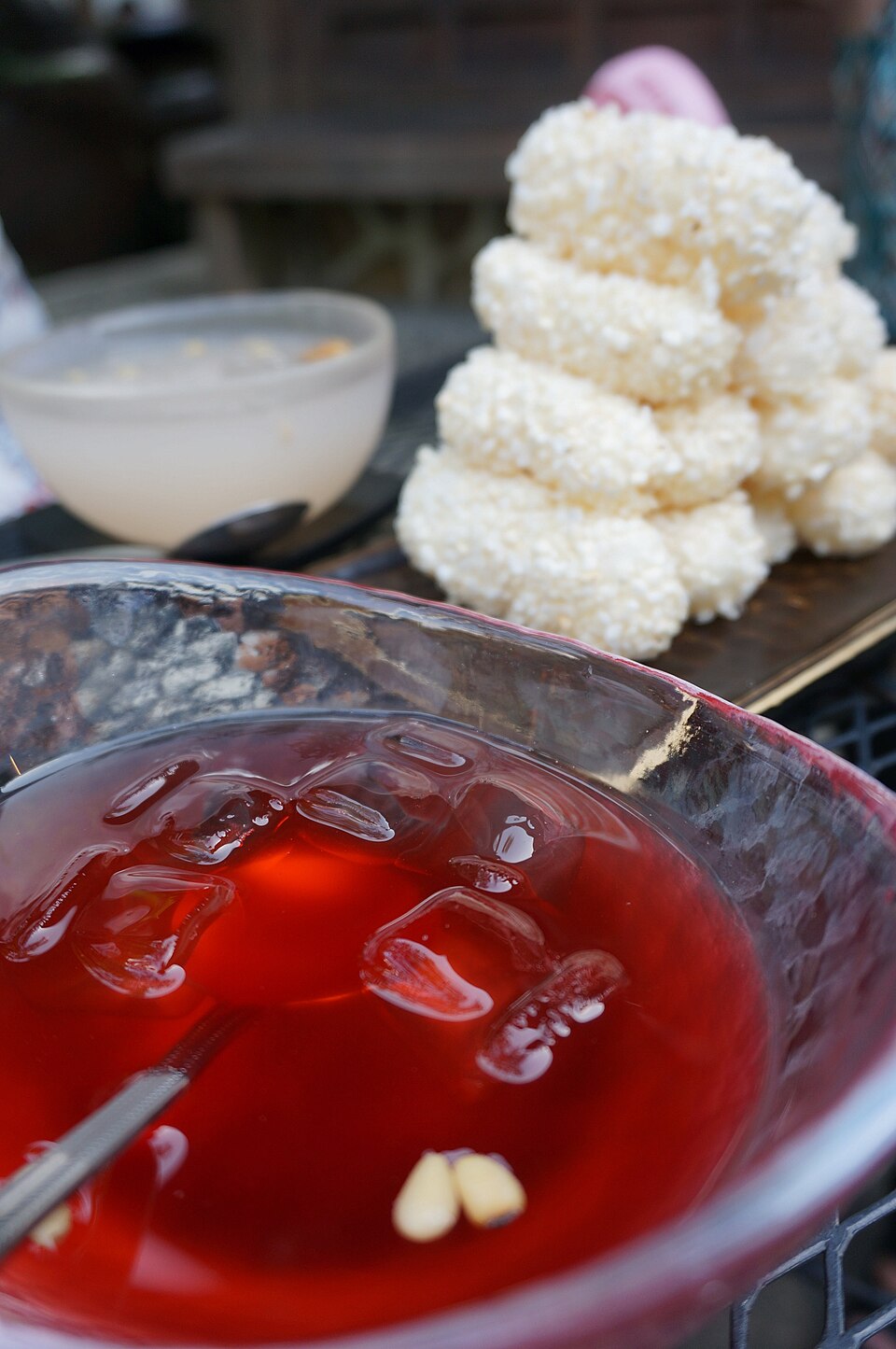
A tea-and-sweet pairing visual for dessert discovery without wellness language.
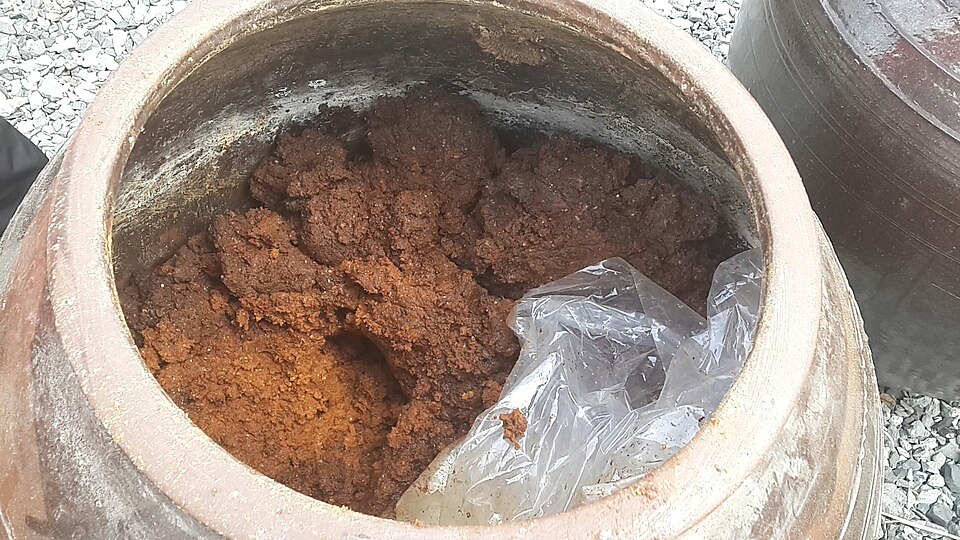
A fermented paste jar visual for sauce, pantry, regional food culture, and heritage-safe context.
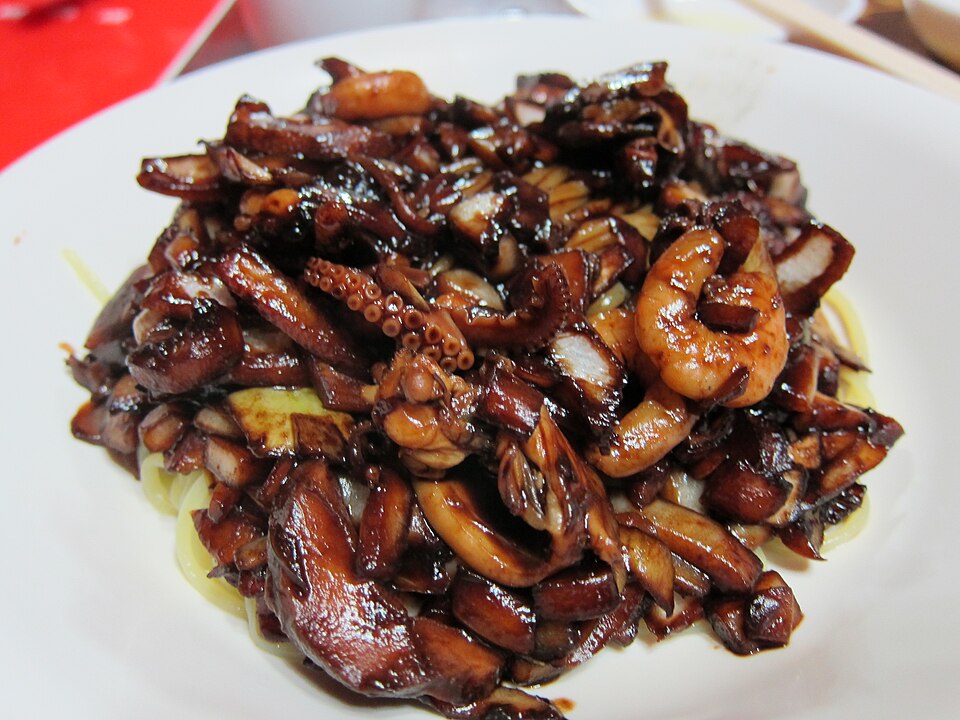
A black-bean noodle visual for comfort noodles, sauce texture, and meal mood comparison.
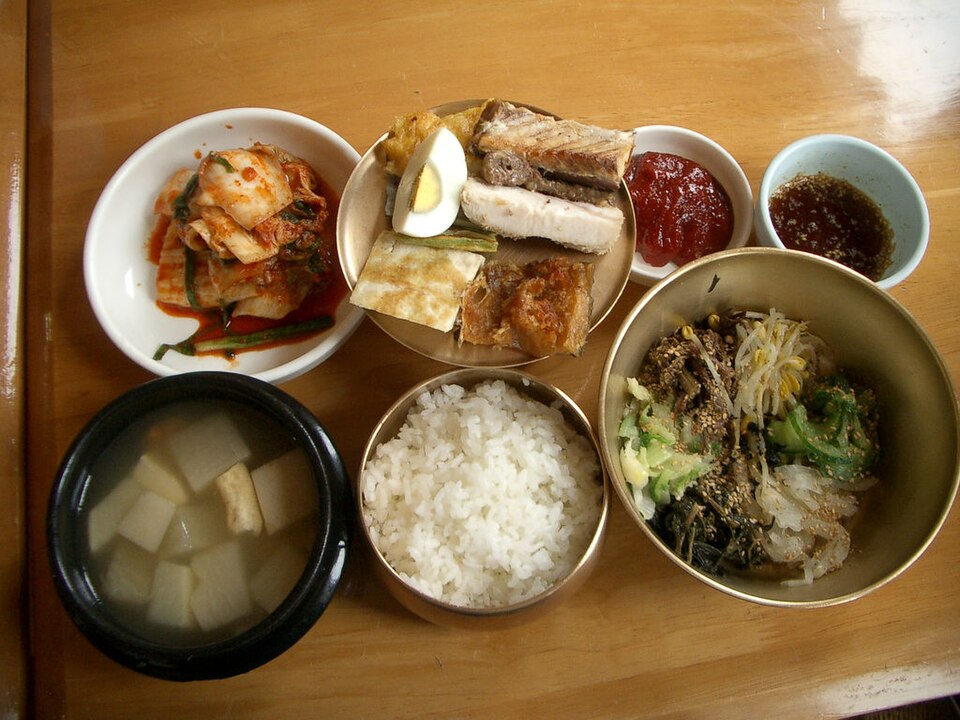
An Andong table visual for regional hansik, rice bowls, banchan, and heritage context.
Heritage sources
17th-century cookbookThis Joseon-era cookbook gives source-backed context for stored foods, fermented foods, noodles, rice cakes, meat, seafood, and practical kitchen knowledge without copying full recipes.
Joseon royal protocolsRoyal cuisine adds context around banquets, service order, ingredient preparation, seasonal table setting, and ceremonial food culture.
Historic rice-cake records can turn sweets and beverage-adjacent content into preparation, seasonality, fermentation, and gifting stories.
Historic pancake references can support dry-mix, pantry, street-food, and rainy-day comfort content without pretending a modern packaged product is the old recipe.
Calm food choices
Start with familiar moments: a crisp snack, a sauce for rice, a noodle night, a warm tea, or a small sweet.
ConfidenceCompare format, occasion, heat level, preparation, and gift fit before choosing a product page.
AtlasOpen a map of ingredient paths, Korean place stories, and table roles before narrowing the food finder.
TradeSourcing and Korean company product-prep paths stay available, but only after the food story and category need are clear.
KFoodHunter can point you toward useful food guides and collect serious buyer questions, but it does not turn content interest into import responsibility or regulatory advice.
Food-first rule
First bites
A light, shelf-stable K-food entry point for consumers who want a familiar snack format with Korean pantry context.
TasteShelf-stable: Crunch, sweetness, seaweed salt, or chewy rice texture can lead the choice.
TableFits movie nights, office pantry shelves, lunchboxes, and sampler gifts.
Next bitePick the texture first, then compare pack count and sharing size.
A rice-topper guide that can introduce Korean pantry habits without requiring a full recipe commitment.
TasteRice topper: Crunch, sweetness, seaweed salt, or chewy rice texture can lead the choice.
TableFits movie nights, office pantry shelves, lunchboxes, and sampler gifts.
Next bitePick the texture first, then compare pack count and sharing size.
A crisp snack guide for a familiar chip alternative with Korean shelf context.
TasteSnack aisle: Crunch, sweetness, seaweed salt, or chewy rice texture can lead the choice.
TableFits movie nights, office pantry shelves, lunchboxes, and sampler gifts.
Next bitePick the texture first, then compare pack count and sharing size.
Food guides
A food-first path for trying K-food through shelf-stable categories before moving into larger pantry habits.
consumerA source-backed heritage guide that turns Korean royal cuisine and old cookbook context into practical pantry, sauce, tea, and sweet ideas.
buyerA qualification guide for import interest before regulatory, logistics, or supplier commitments are made.
Where to go next
Noodles, sauces, barbecue marinades, and rice bowls give a craving a practical shape before a product page matters.
Old cookbook and table-culture cues make sauces, grains, tea, sweets, and banchan feel connected instead of random.
A smaller gift choice becomes easier when serving size, texture, packaging, and tea pairing are easy to picture.
When the question is bigger
The useful first step is naming market, channel, range, timing, and document gaps before a supplier conversation gets specific.
Product family, pack format, shelf life, storage, label status, and channel fit can be organized before a buyer promise appears.
Start with the craving, compare the food profile, then move toward a checked product link when one is ready.
Share the food use case, target market, channel, expected range, and timing before a product conversation gets specific.
Make product pages, catalog details, and document notes easier for overseas buyers to understand before outreach.