Ssamjang Dipping Sauce craving
The craving starts with the sauce job: heat, sweetness, dipping depth, barbecue comfort, marinade gloss, or a quick rice-bowl lift.
- Dipping sauce
- BBQ context
- Sauces
- Flavor
 KFoodHunter
Sauces
A dipping-sauce guide that helps consumers understand Korean barbecue and vegetable-pairing occasions.
Food scene
Taste to pictureSoy / bean gives the first flavor lens, while dipping sauce and bbq context shape the appetite.
Table to buildDip / wrap makes the page more useful when the food is pictured beside rice, noodles, tea, snacks, sweets, or a small shared plate.
Nearby contextKorean BBQ table is a browsing cue, not origin proof. It helps place the food near Korean table habits, serving formats, and nearby choices.
Start with the ingredient family before narrowing by texture, format, or exact item.
Table to buildUse the table role to decide whether the food belongs as a snack, sauce, meal, drink, sweet, or pantry helper.
Nearby contextTreat the place cue as cultural browsing context, then keep exact origin and claims separate.
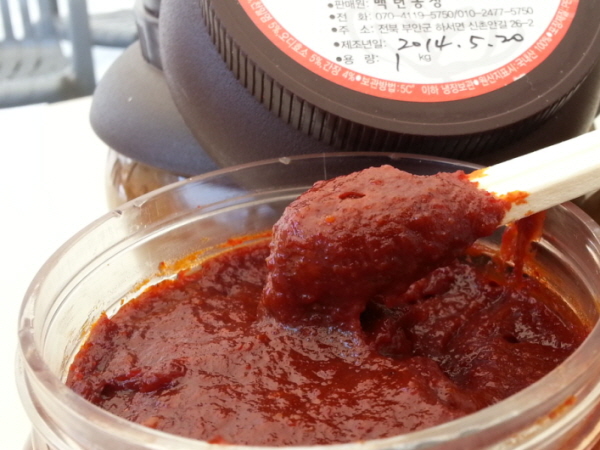
A food-specific gochujang visual for sauce, dip, marinade, spice, and rice-cake decision paths.
Food fit
The craving starts with the sauce job: heat, sweetness, dipping depth, barbecue comfort, marinade gloss, or a quick rice-bowl lift.
Picture the bottle or jar beside rice, noodles, vegetables, grilled meat, fried snacks, or a shared dipping bowl.
Compare heat level, sweetness, sauce role, container format, allergen notes, and whether companion ingredients are needed.
Food guide
Korean barbecue, vegetable wraps, and dipping occasions make the sauce practical for home shoppers.
Rice bowls, barbecue nights, and vegetable wraps. Meal-prep marinades and weeknight shortcuts. Sauce-aisle education for first Korean condiment choices.
Useful for buyers screening barbecue merchandising, specialty grocery displays, and foodservice sampling opportunities.
The clearest choice names soybean, sesame, wheat, and spice details while keeping dipping use separate from unsupported claims.
Food moments
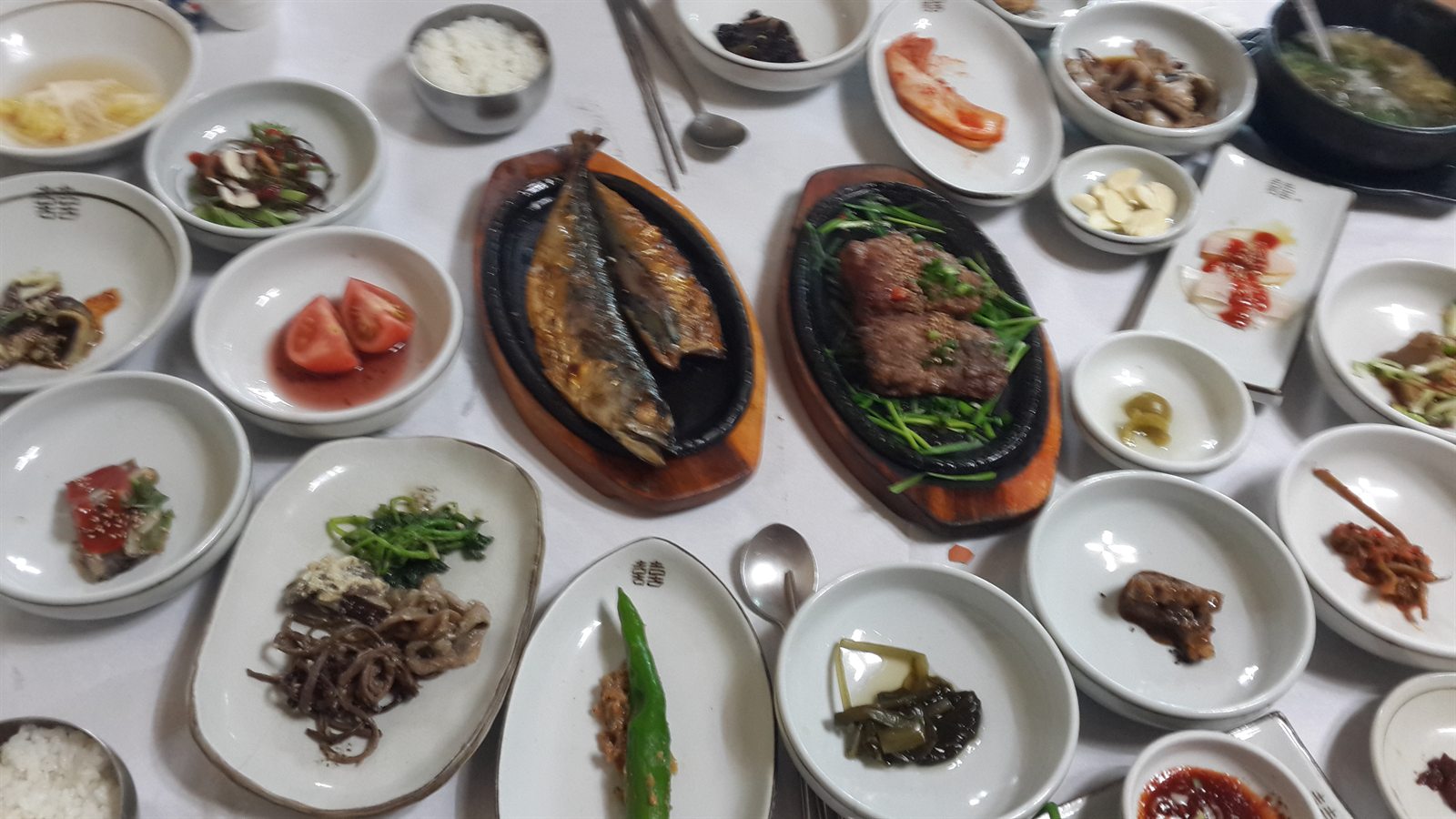
A first Korean pantry feels natural when it begins with one small table: rice or noodles, crisp seaweed, a spoon of sauce, sesame or tea, and a food that can repeat next week.
This is the low-friction moment for someone who wants K-food at home without learning a long recipe or building a full pantry at once.
The table logic comes from everyday hansik structure: rice as base, banchan nearby, sauces for direction, and tea or sweets as a quiet finish.
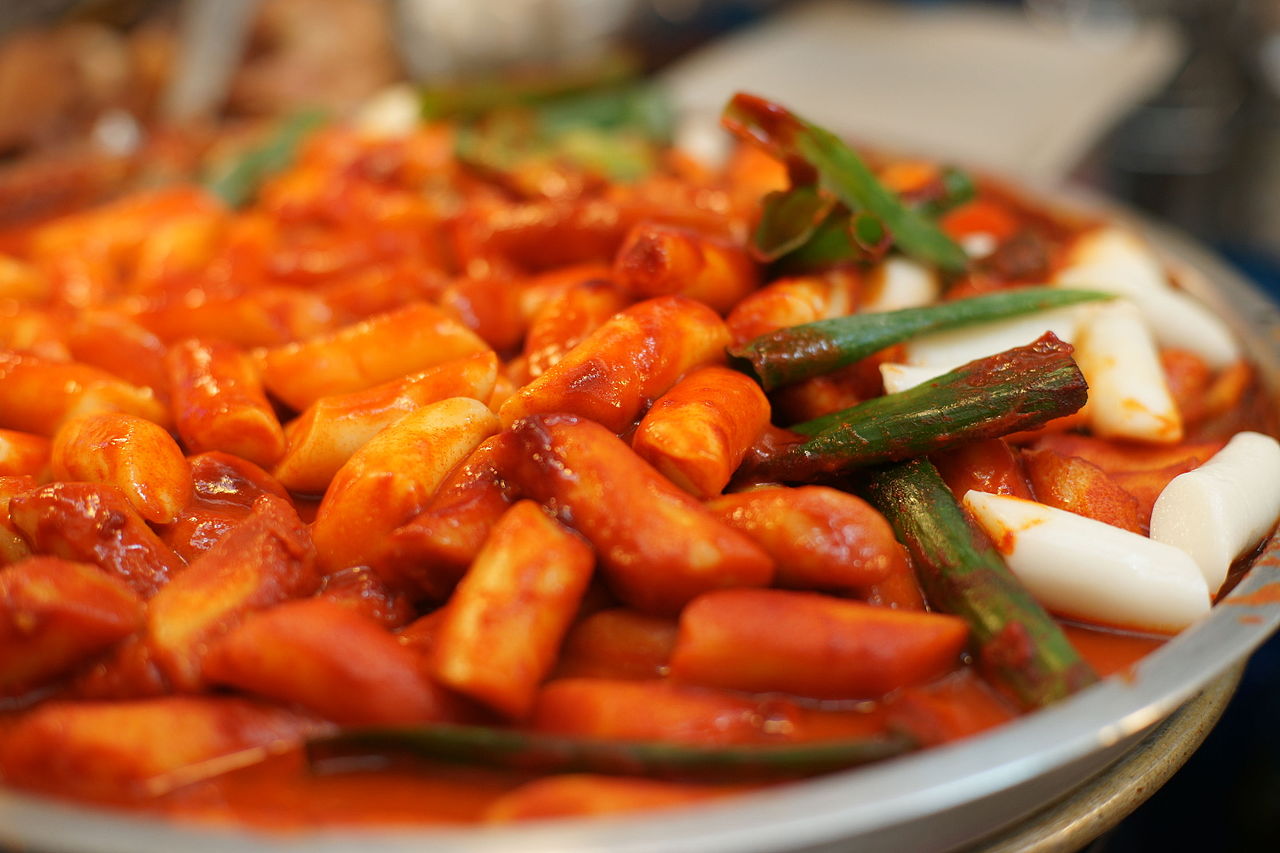
The craving is usually sauce first: spicy-sweet, glossy, warm, and easy to imagine with rice cakes, noodles, fried snacks, vegetables, or a small late-night bowl.
This is the moment created by short videos, restaurant memories, and after-work comfort when someone wants the flavor before they know the exact item.
The deeper context is Korean sauce culture: gochujang, dipping bowls, rice, vegetables, shared plates, and side dishes carrying heat across a table.
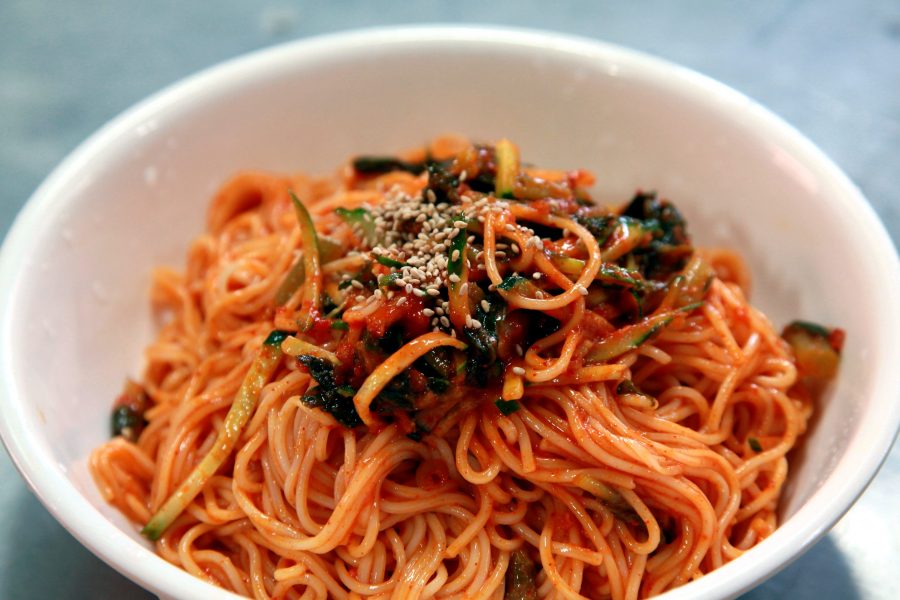
A noodle night can be spicy broth, black-bean comfort, cold summer bite, or quick rice-bowl fallback. The useful path is meal mood, not one generic ramen idea.
This is the high-recognition K-food moment: simple enough for a weeknight, but still shaped by heat level, toppings, portion count, and preparation style.
Korean noodle context also touches stored sauces, wheat and starch textures, cold serving habits, broths, rice sides, and seasonal table rhythms.
Atlas context
Regional cues are browsing cues, not product-origin certification.
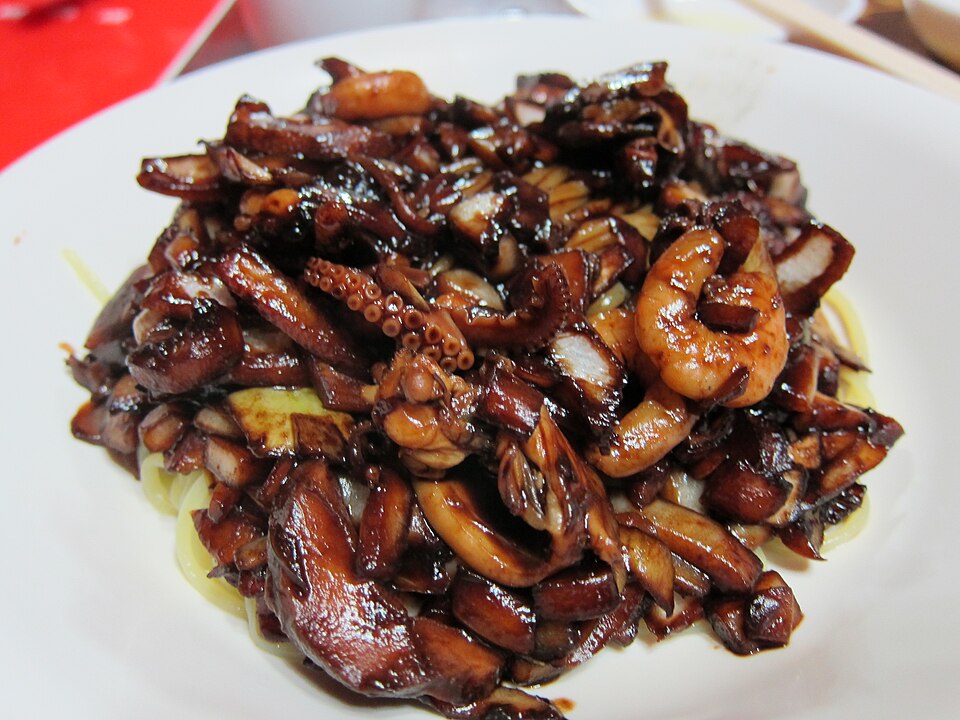
Bean-based paths can land in savory dipping sauces, jajang noodles, or small desserts depending on the table moment.
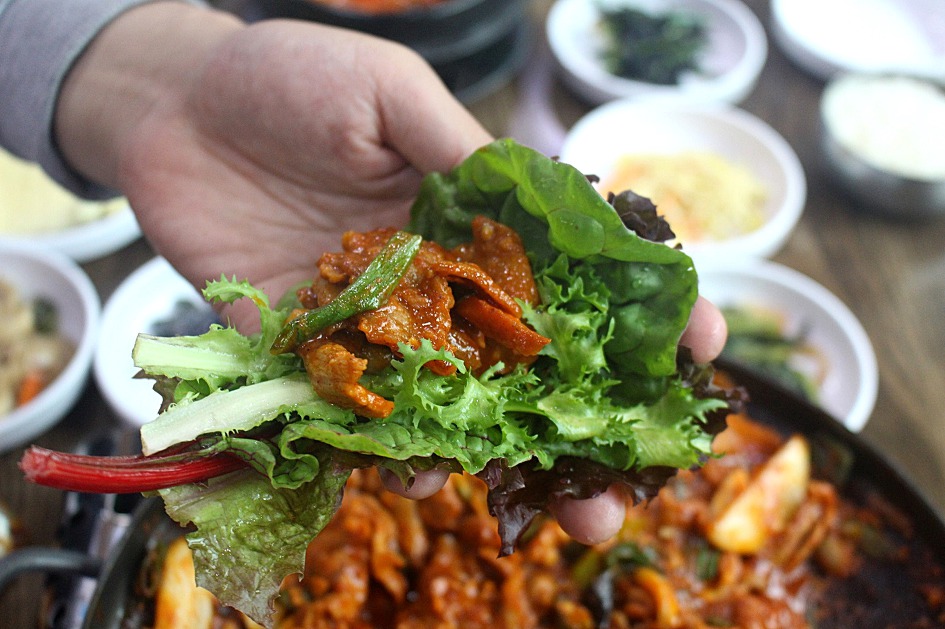
BBQ-table context keeps ssamjang, soy-garlic marinade, wraps, vegetables, and rice in one shared meal scene.
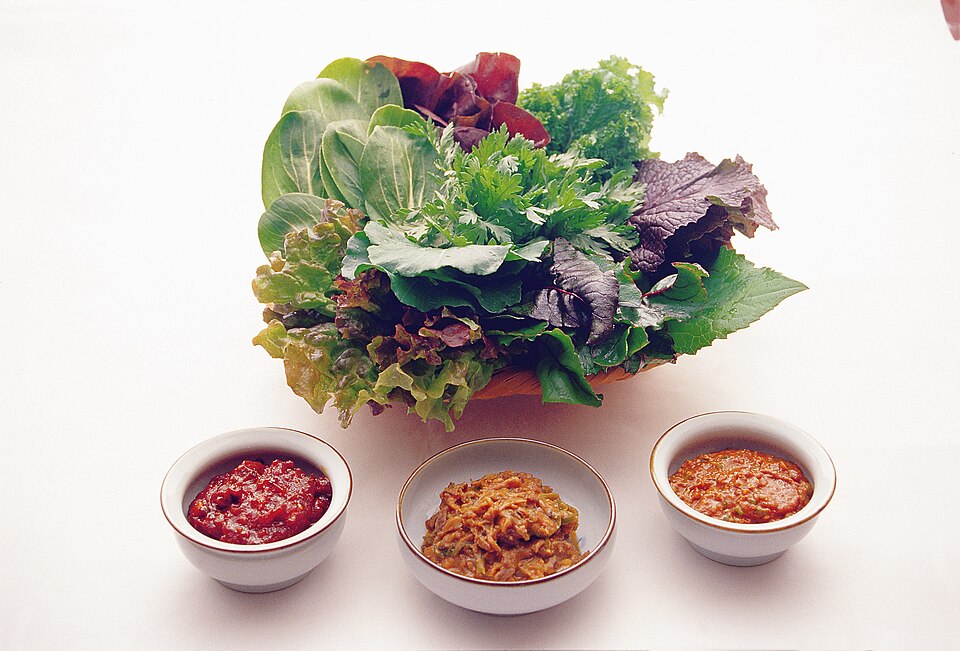
Dip-and-wrap foods make sense when ssamjang, lettuce, grilled meat, cucumber sticks, and rice all point to one table habit.
Serving context
A food-specific gochujang visual for sauce, dip, marinade, spice, and rice-cake decision paths.
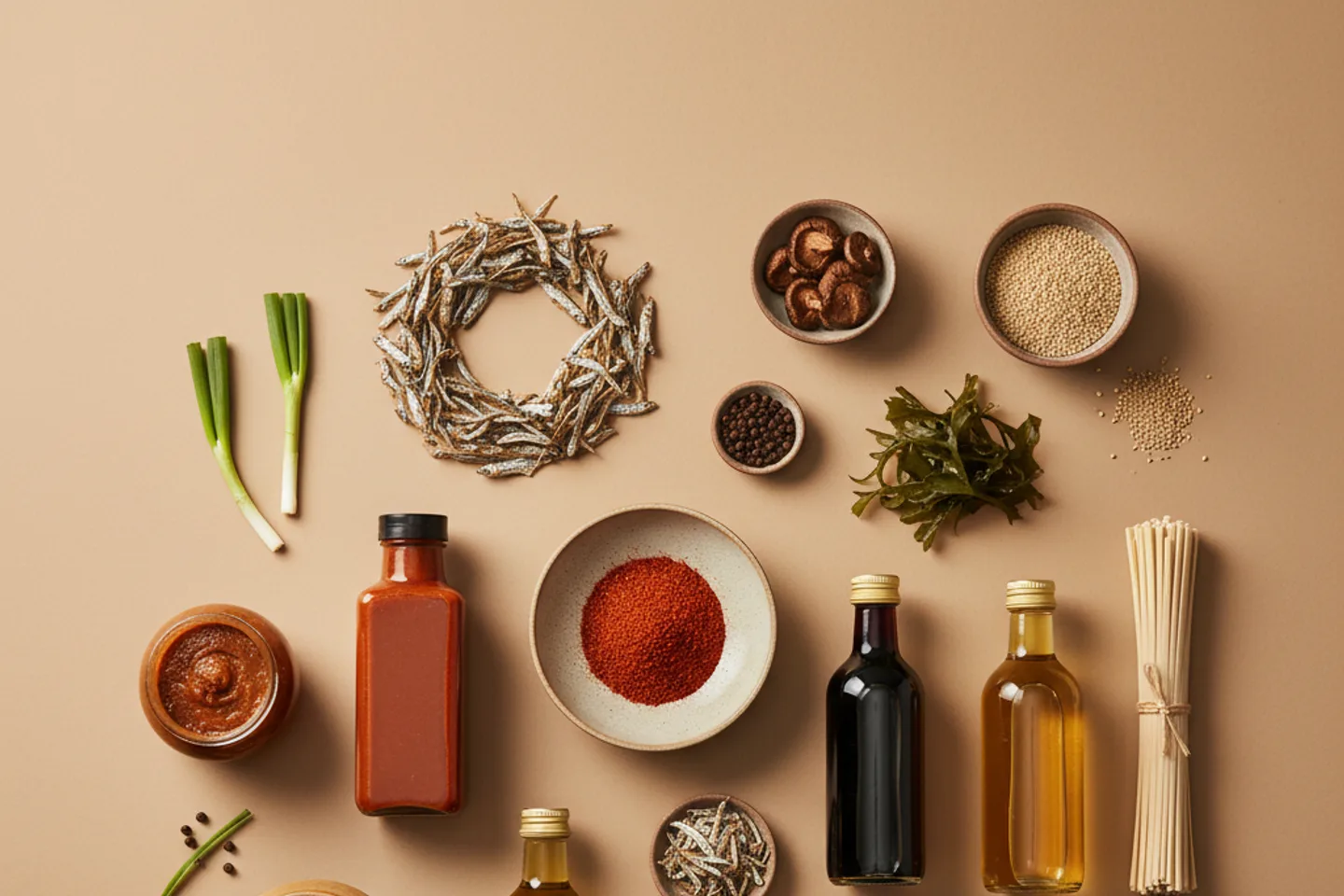
A sauce, noodle, seaweed, spice, and pantry visual for flavor-role decisions before any listing or retailer source matters.
A close street-food visual for spicy-sweet rice cakes, sauce bowls, snack nights, and heat-level questions.
Product motion
Motion keeps the product choice grounded in real food: how sauce clings, how heat changes texture, and what belongs next to rice.
For nights when the craving is shared: grill heat, vegetables, dipping sauce, and rice all belong in the same meal.
Thin slices, sweet-savory sauce, and fast heat make bulgogi easy to picture as a rice-bowl or wrap night.
A short boil shows why kimchi jjigae sits between pantry comfort, banchan, tofu, pork, and rice.
Sauce aisle, barbecue merchandising, specialty grocery, and foodservice sampling.
Easy first check
Food context
Stay with the craving, table fit, and nearby Korean food ideas. Any checked external path stays secondary to the food itself.
Stay near this food family when the next question is flavor, texture, serving moment, or how sauces fits with rice, noodles, tea, or snacks.
Move by ingredient, Korean place story, or table role when the category name is too narrow for the craving.
A short question can stay about taste, pack format, meal fit, or where this food belongs on the table.
Product guide
Food detail
Korean barbecue, vegetable wraps, and dipping occasions make the sauce practical for home shoppers.
Useful for buyers screening barbecue merchandising, specialty grocery displays, and foodservice sampling opportunities.
Barbecue, vegetable pairing, rice bowl, and pantry jar contexts make the sauce use obvious.
The clearest choice names soybean, sesame, wheat, and spice details while keeping dipping use separate from unsupported claims.
Related guides
A source-backed heritage guide that turns Korean royal cuisine and old cookbook context into practical pantry, sauce, tea, and sweet ideas.
buyerA qualification guide for import interest before regulatory, logistics, or supplier commitments are made.
consumerA sauce guide that explains gochujang, tteokbokki sauce, ssamjang, and marinades as distinct meal-use choices.
Nearby food paths
These paths keep the next step close to the same appetite without turning the page into a hard product prompt.
Soy / bean keeps the next step close to flavor and texture. Move sideways when the ingredient is right, but the table moment needs a different format.
Korean BBQ table gives the food a memory path without turning place into product-origin proof. Use it to compare nearby meals, drinks, or snack scenes.
Dip / wrap keeps the choice grounded in what the food does at the table. Stay with the role when appetite is clear but the exact food is still open.
Detail continuations
The next click stays close to food context before a separate sourcing note or outside listing matters.
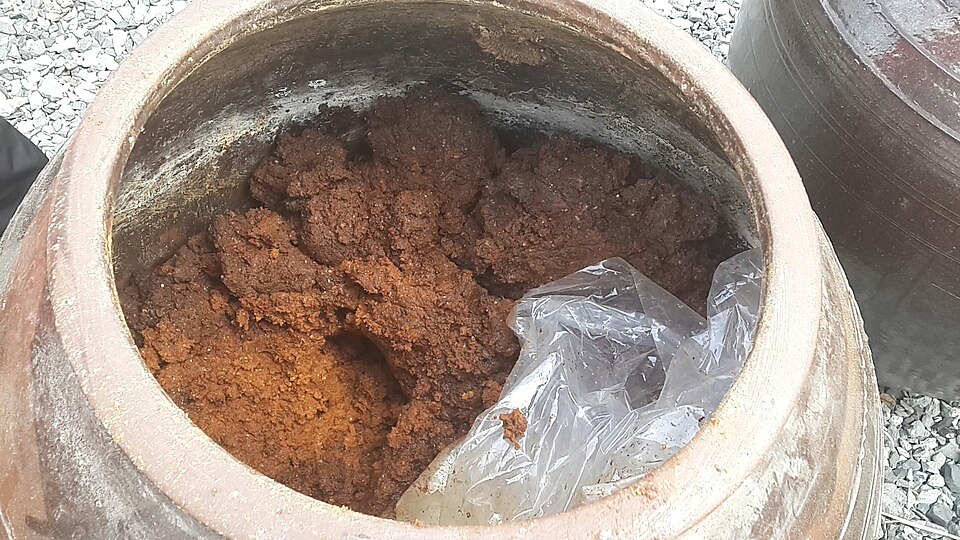
Ssamjang Dipping Sauce can continue through flavor first. Stay with soy / bean when taste, texture, or preparation is the clearest next question.
Korean BBQ table keeps the next step close to Korean food context. Regional cues are content navigation, not origin certification.
Dip / wrap keeps the page connected to what the food does: snack, sauce, meal, drink, sweet, gift, or pantry shortcut.
Royal cuisine to modern K-food pantry ideas keeps ssamjang dipping sauce connected to serving cues, nearby cravings, and category comparison before a separate sourcing question.