 17th-century cookbook
Eumsik Dimibang as a pantry-history anchor
Best for guides that explain why Korean pantry routes are deeper than modern snack trends.
Source: Korea.net / Eumsik Dimibang feature KFoodHunter
K-food Atlas
Browse by the way Korean food lands in real life: street heat, rice bowls, tea and sweets, grill-table sauces, regional food stories, and pantry roles.
Craving lanes
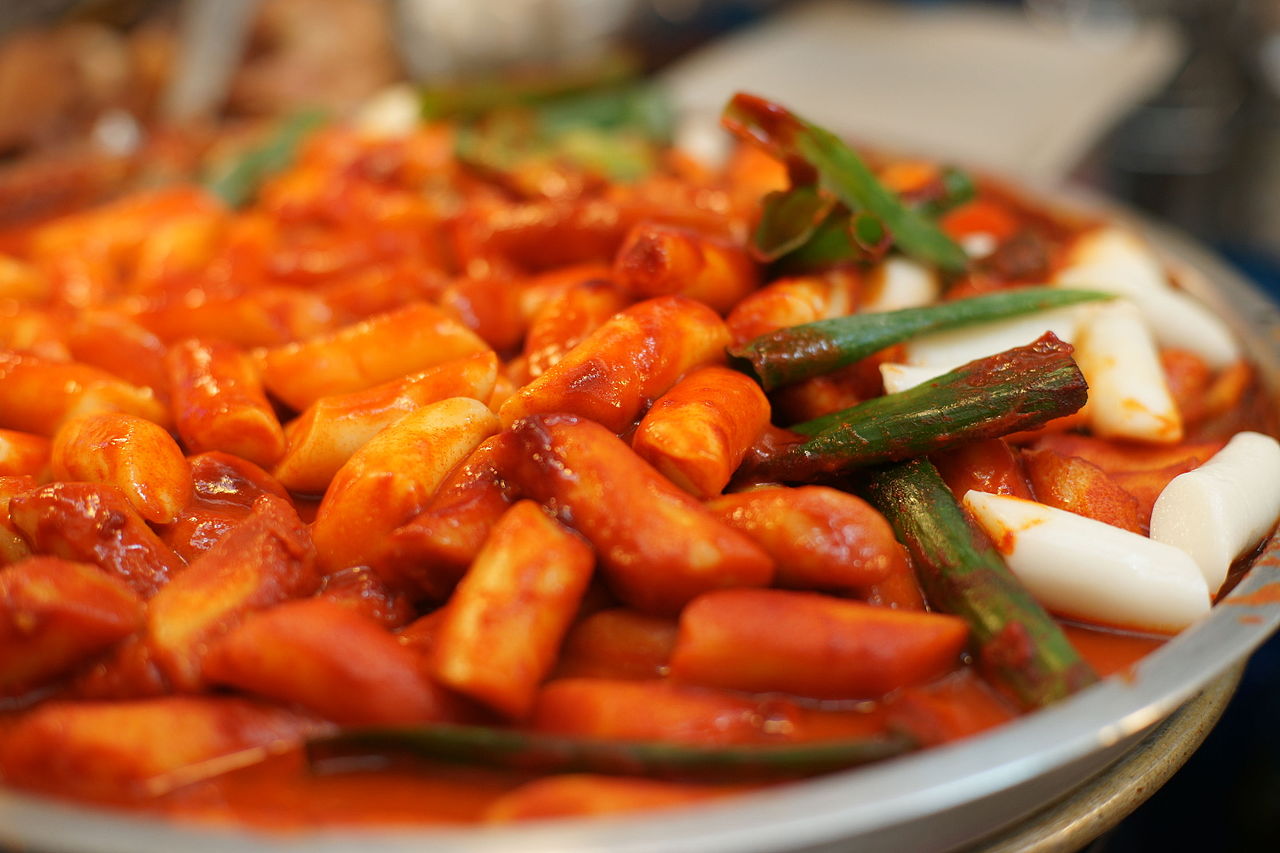
Start where the craving feels obvious: red sauce, chewy rice cakes, spicy noodles, and a spoonful of heat beside rice.
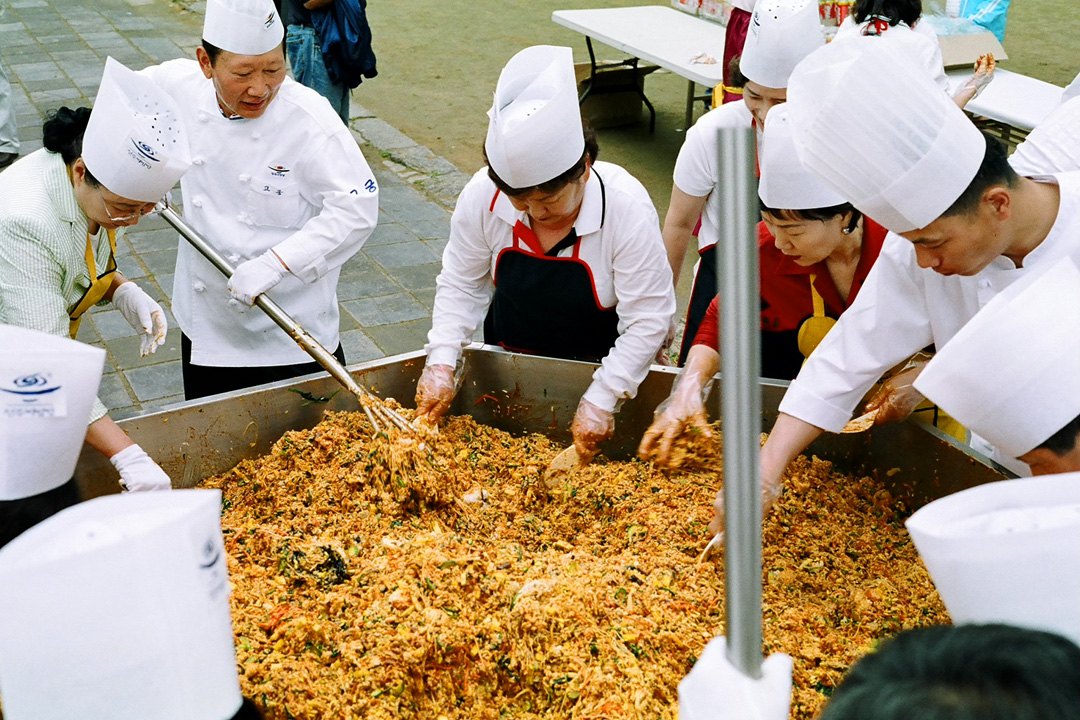
A simple bowl becomes easier when rice has one clear partner: seaweed, finishing oil, grain texture, or a sauce base.

A slower K-food path starts with a warm cup, a small sweet, a gift shelf, or a sampler that makes texture easy to imagine.
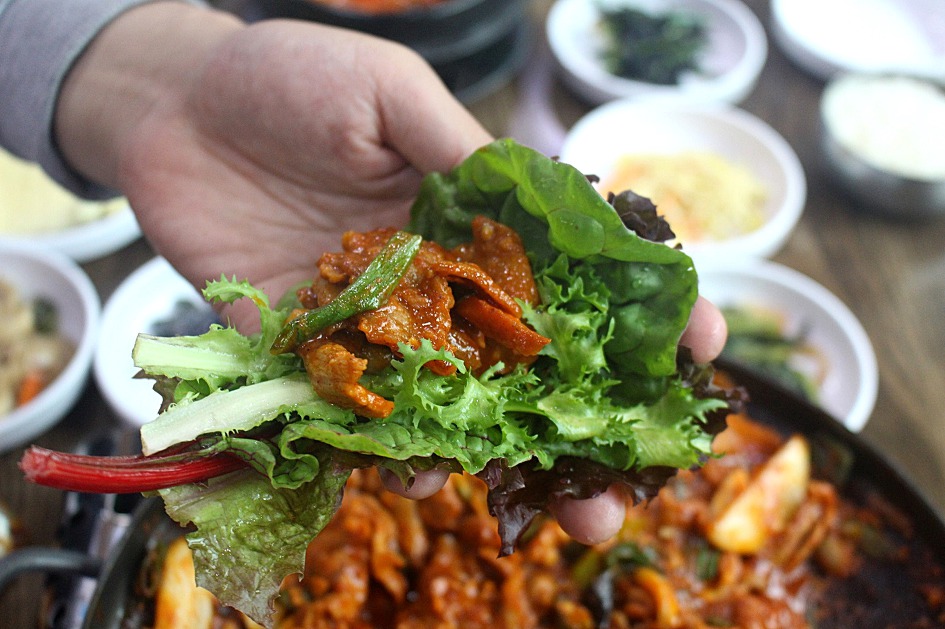
Korean barbecue browsing works best when dips, wraps, grill cues, and marinades stay connected to one shared table moment.
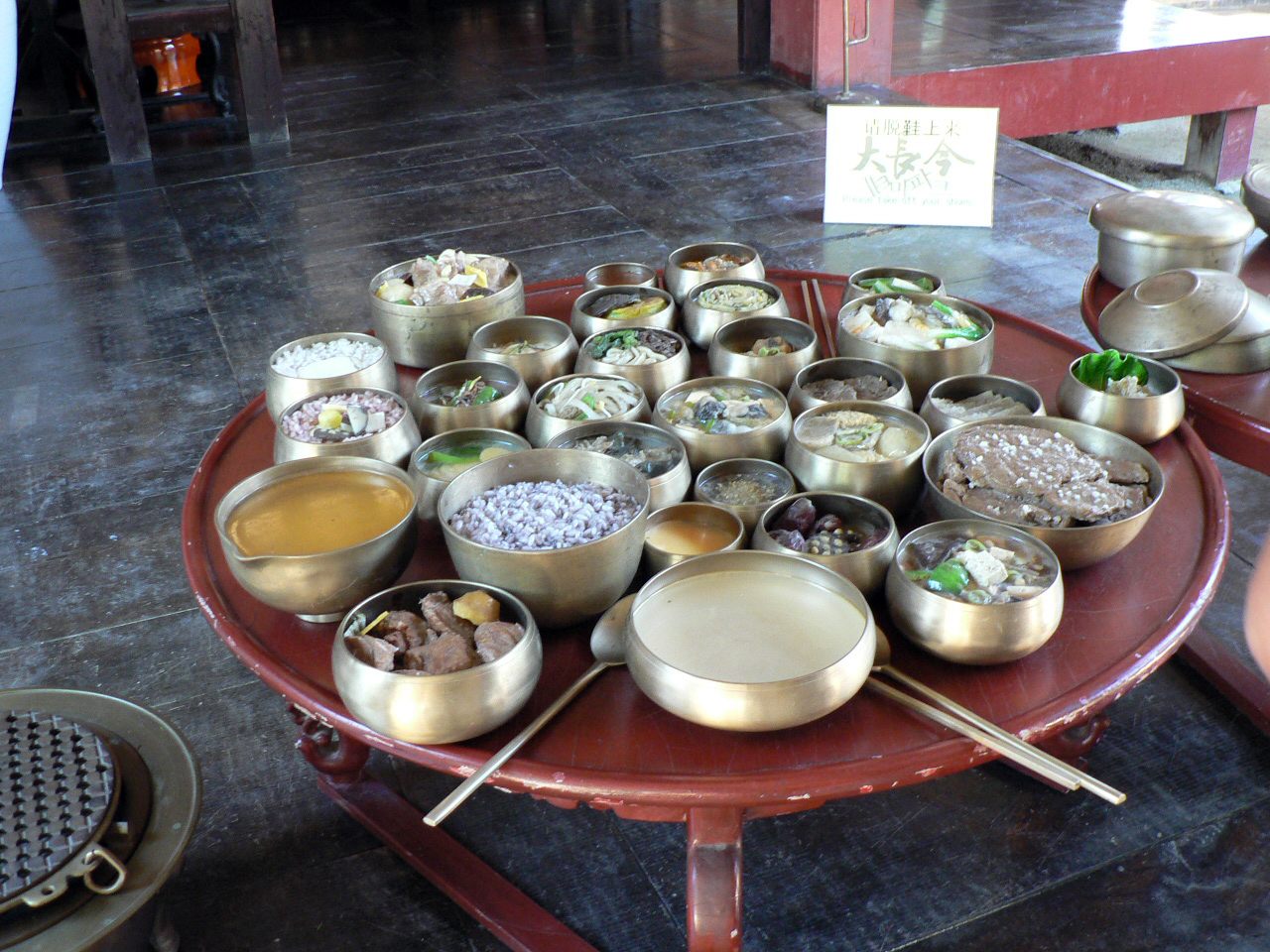
Historic Korean food sources add depth around rice, sauces, sweets, tea, and seasonal table habits while packaged products stay modern.
Curated paths
Move through appetite, ingredient, place story, and table role before opening the wider finder.
Starter table
The first K-food path works best when the ingredient, table role, and serving moment are easy to picture before comparison starts.
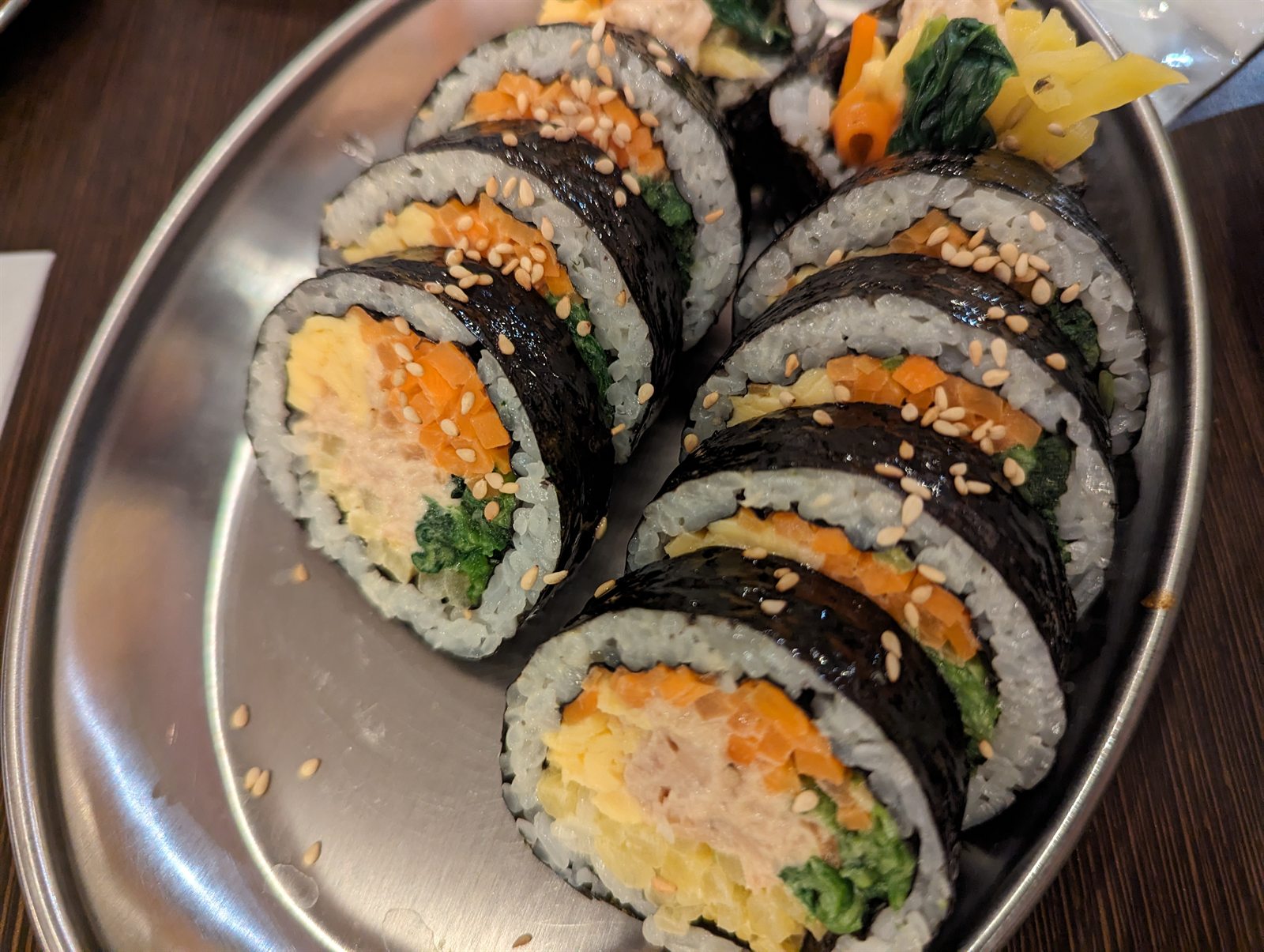
Crisp sheets, rice toppers, and sesame finishes make Korean pantry habits feel practical without asking for a full recipe.
A rice bowl becomes easier when gochujang, sesame oil, or a mild topping has a visible job on the plate.
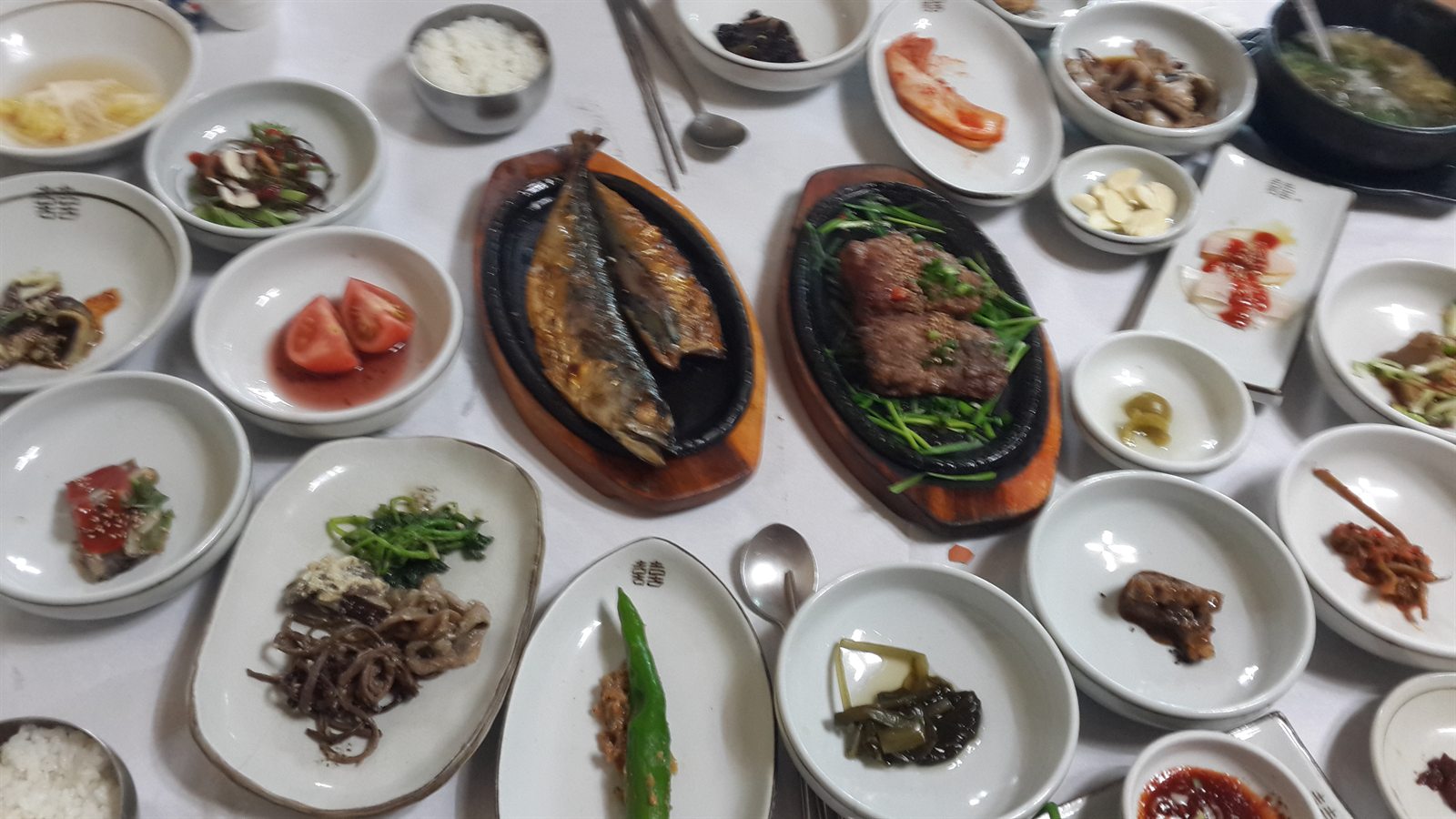
The pantry guide keeps the focus on repeatable meals: rice, a small side, a sauce cue, a warm drink, and a simple sweet.
Street and sauce
Street food and sauce paths create appetite first: chewy rice cakes, warm pancakes, noodle bowls, dips, and grill-table flavor.
Tteokbokki works as a scene before it works as a product: sauce gloss, chew, steam, and a quick shared plate.
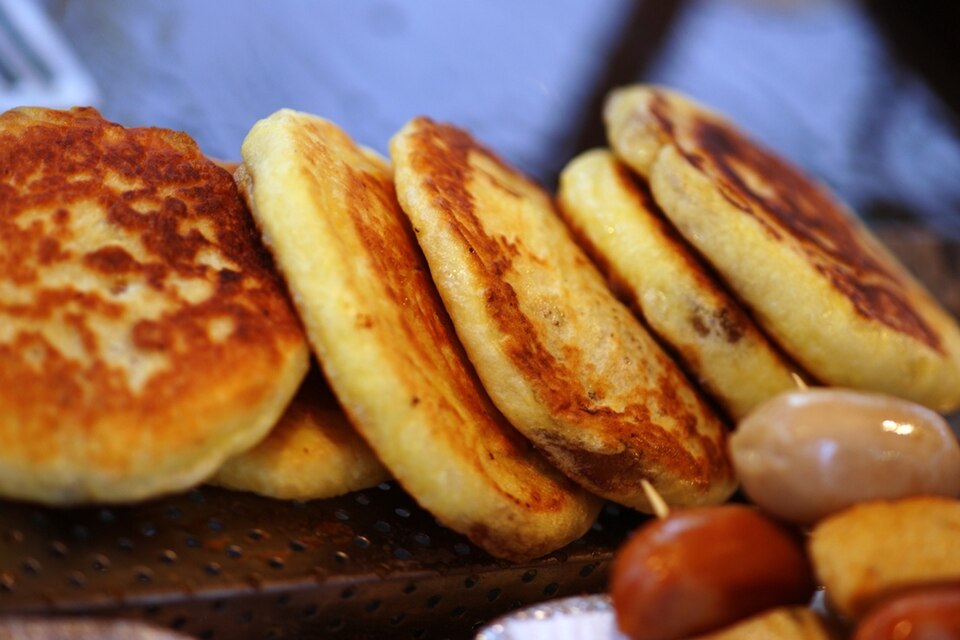
Dry mixes feel approachable when the page starts with batter, pan heat, crisp edges, sweet filling, and a weekend table.
Ssamjang, soy-garlic marinades, vegetables, rice, and wraps stay clearer when they are part of one shared table.
Tea and quiet sweets
Tea, grain drinks, rice punch, yakgwa, and jelly can build desire through flavor, temperature, texture, and gift setting without wellness claims.
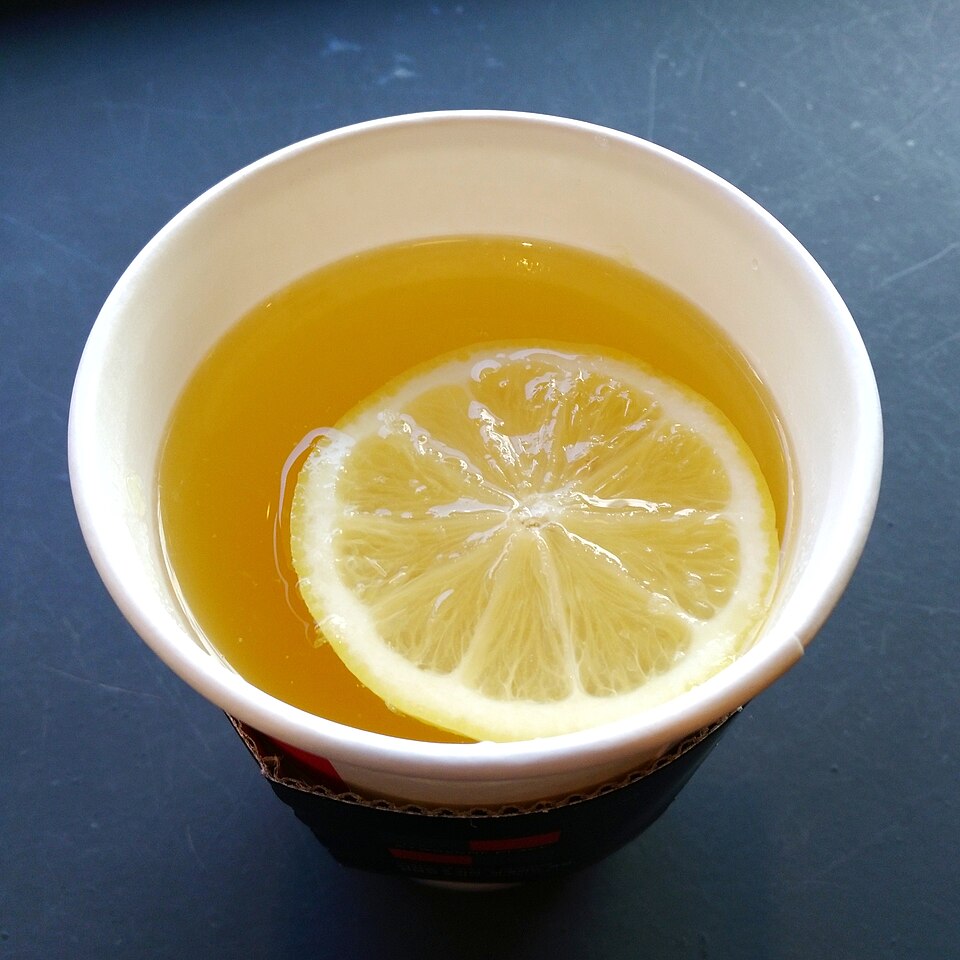
Bright jars and red berry bases become easier when sweetness, dilution, cold glass, warm cup, and color are visible.
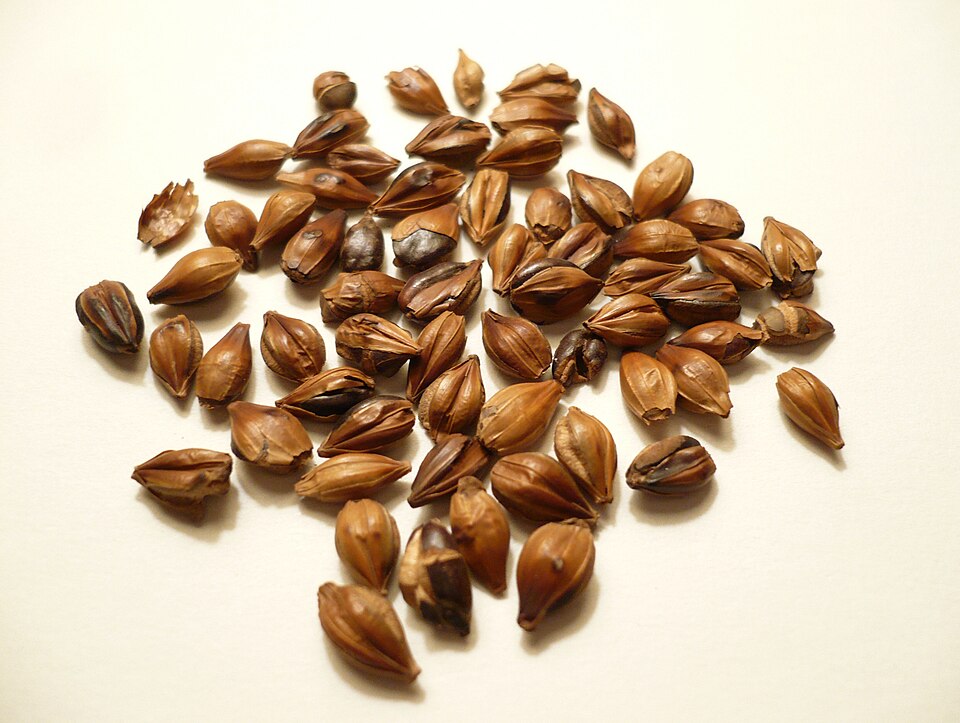
Roasted barley, corn silk, grain mixes, and sikhye feel grounded when hot, iced, chilled, sweet, and meal-side uses are named.
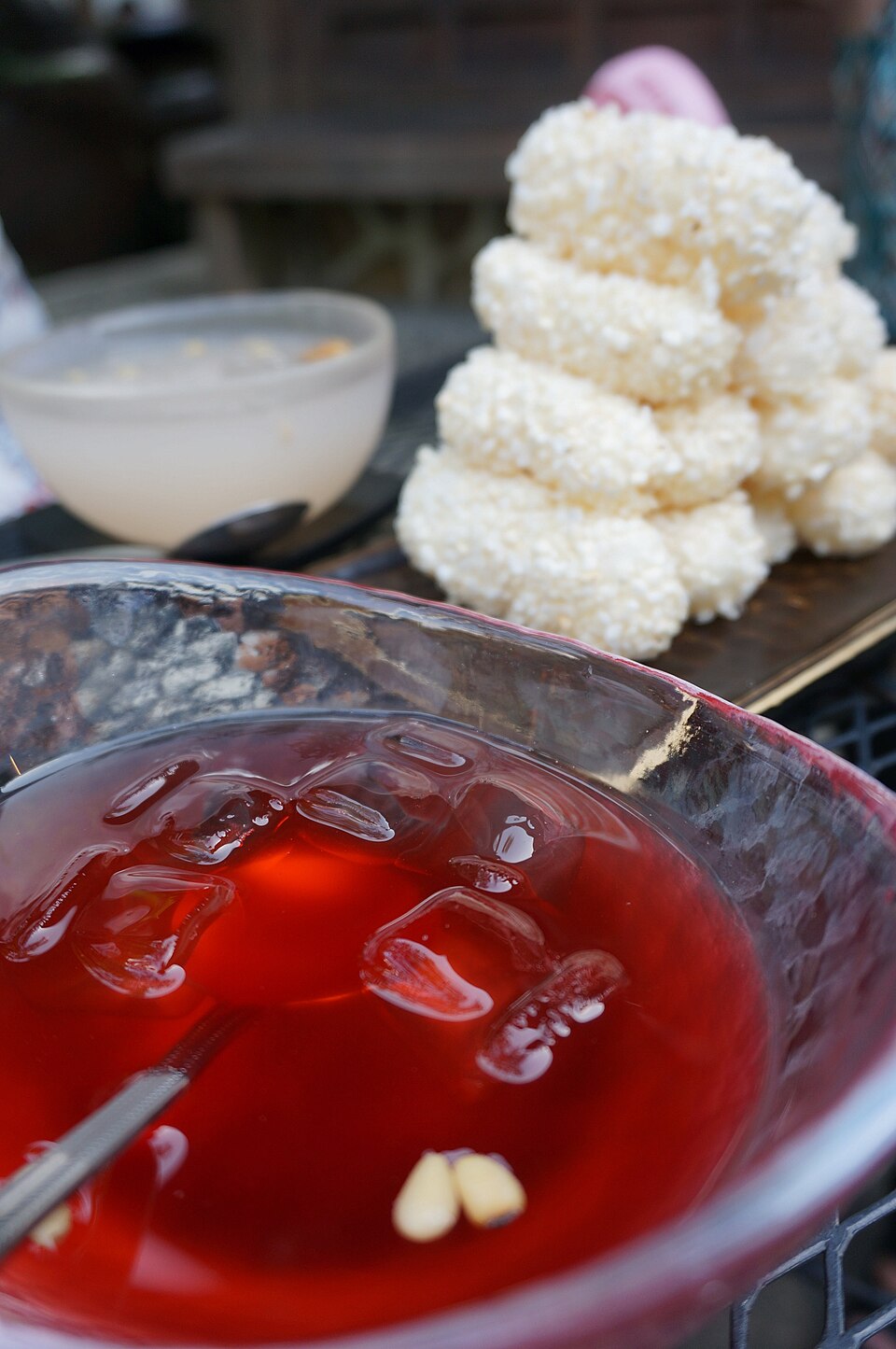
Traditional sweets need texture cues first: syrup, crunch, jelly softness, portion size, and a cup that makes the sweetness feel placed.
Regional memory
Regional cues help people remember a path through Jeju citrus, Boseong tea, Mungyeong omija, Jeonju rice, Busan summer, and Andong sweets.
Place context gives drinks a stronger mental image while the page stays focused on flavor, preparation, and gift fit.
Rice bowls, sauce, finishing oil, cold noodles, and chilled drinks make regional paths feel like meals rather than labels.
Heritage cues work best when they explain table order, sweets, rice drinks, sauces, and pantry habits while modern packages stay modern.
Ingredient paths
Seaweed, chili paste, soy, grains, tea, and sweets all lead to different meals, textures, and serving moments.
Seaweed can start as a snack, then become a rice topper, lunchbox cue, or pantry bridge for a simple bowl.
Rice and grain formats make K-food approachable when bowl texture, portion count, and what sits on top are easy to picture.
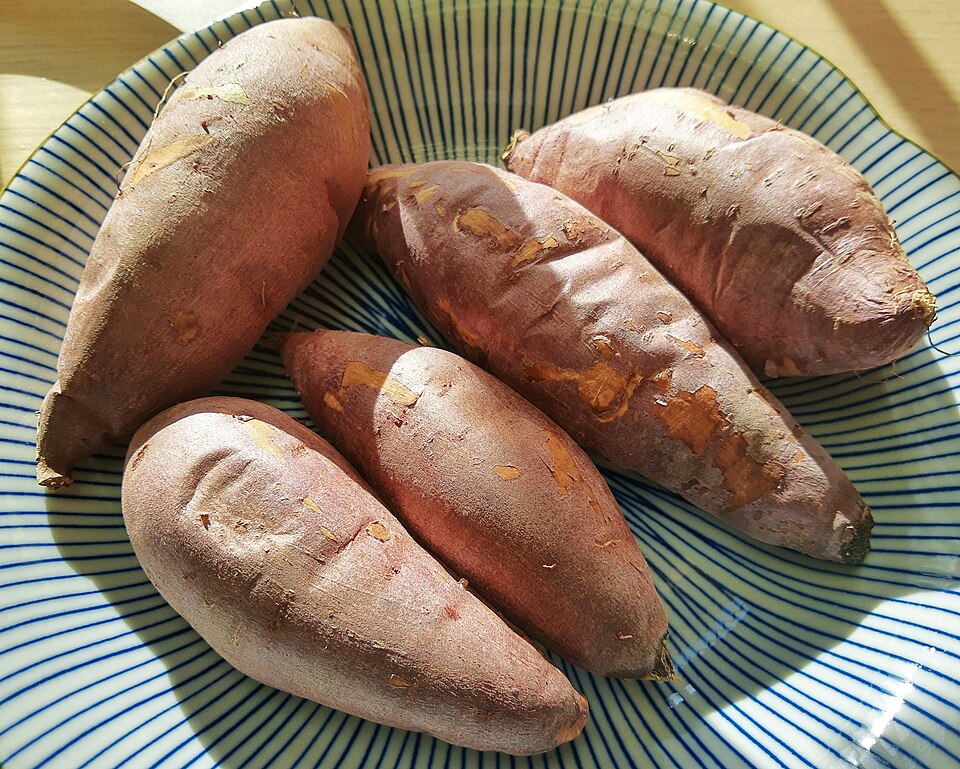
Korean sweet potato snacks feel warmer when roasting, texture, sweetness, and an easy afternoon moment come first.
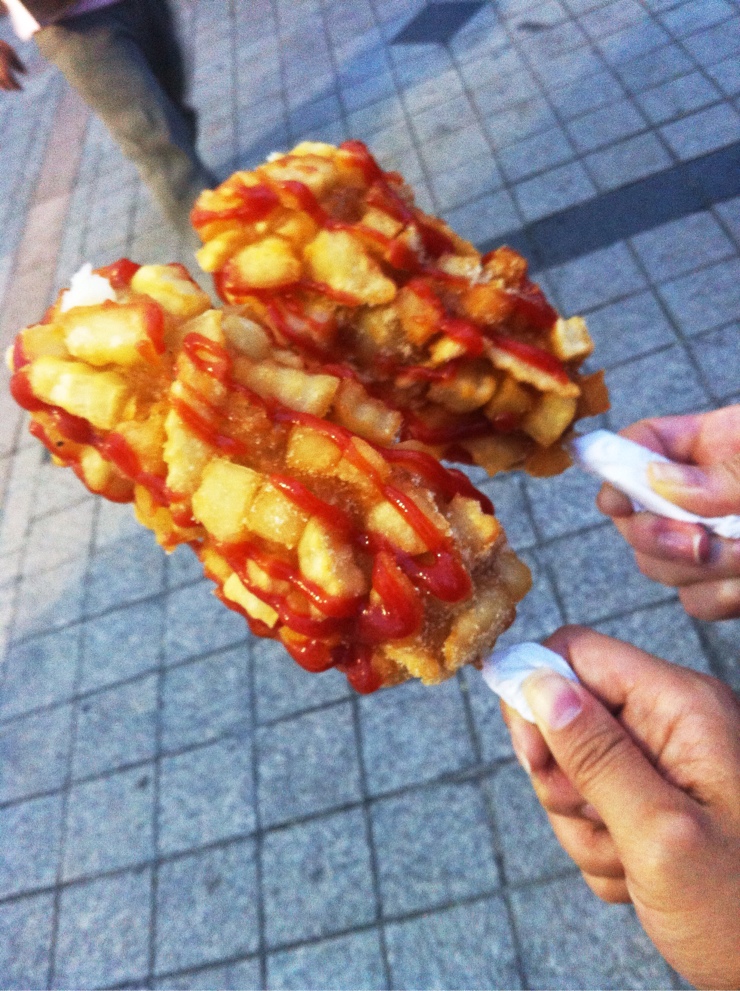
Honey-butter and sweet-savory snacks bridge familiar flavor with Korean snack pacing: open, share, compare, return later.
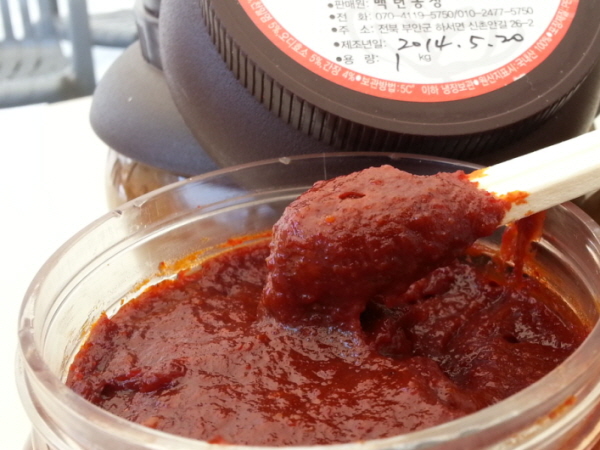
Gochujang, tteokbokki sauce, and kimchi-style seasoning make more sense when the page names sauce base, noodle add-on, rice bowl, or finishing use.
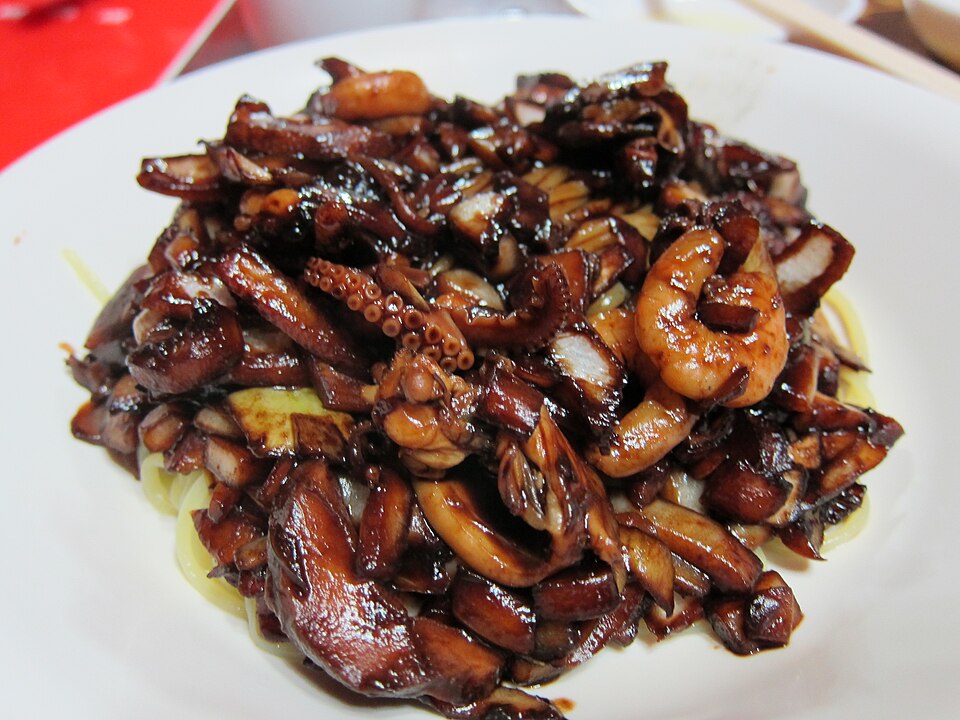
Bean-based paths can land in savory dipping sauces, jajang noodles, or small desserts depending on the table moment.
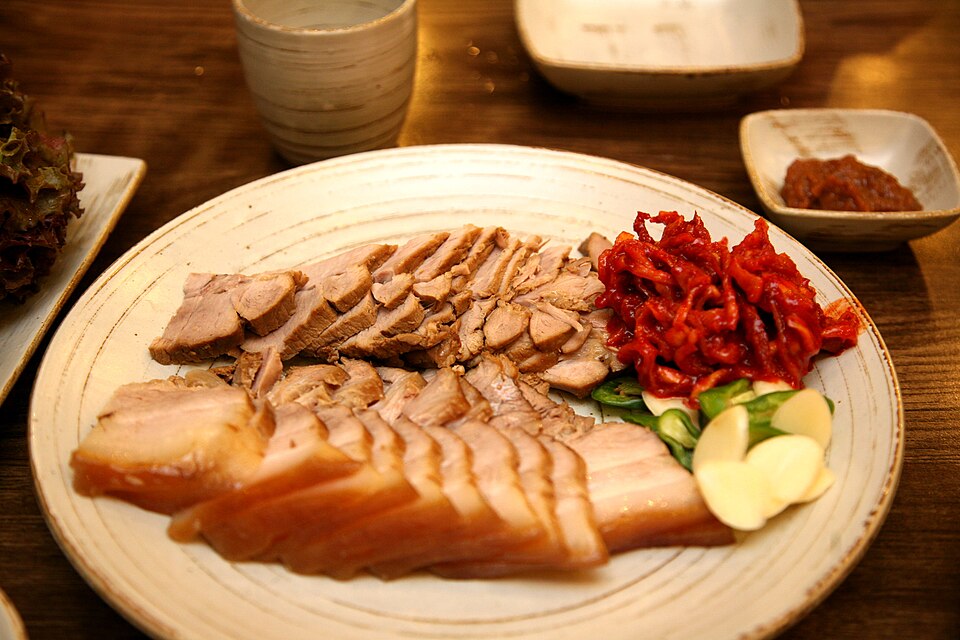
Soy-garlic marinades give Korean flavor a familiar entry point through grilled meat, sheet-pan cooking, rice, and wraps.
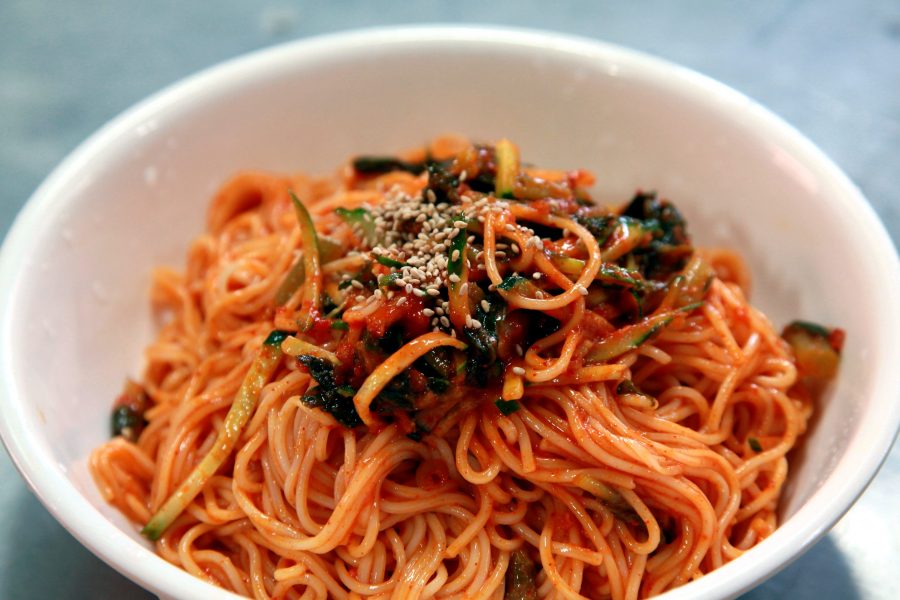
Noodle browsing becomes clearer when the cue is spicy broth, black-bean comfort, cold summer bite, or late-night convenience.
Dry mixes turn Korean pancakes and hotteok into a home activity, demo table, or weekend snack with clear texture cues.
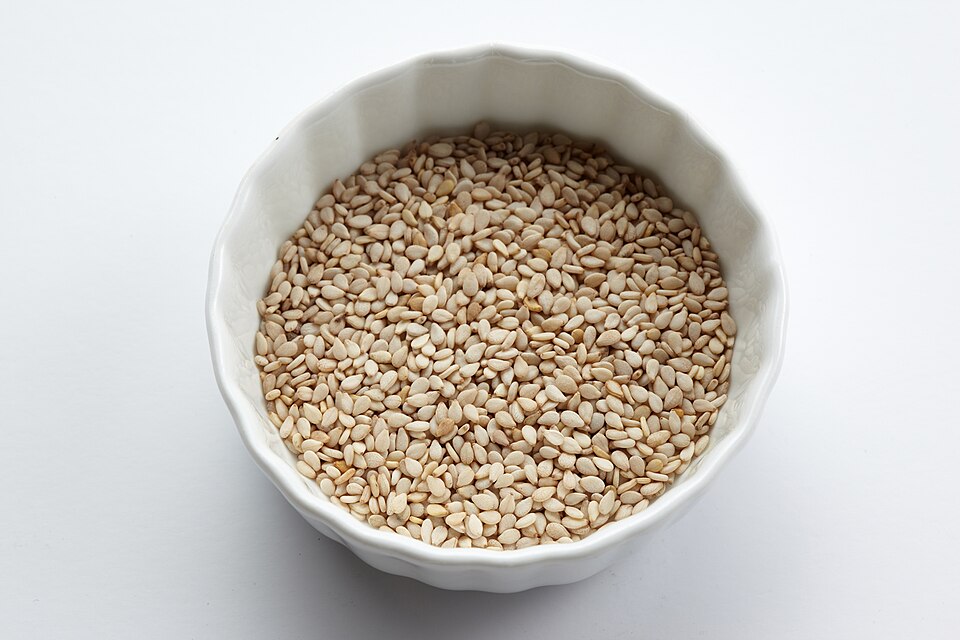
Sesame oil and sesame seeds work as quiet finishing cues for rice, noodles, vegetables, sauces, and banchan-style sides.
Citron and omija give Korean beverages a visible flavor cue through color, aroma, spoonable fruit, and clear serving temperature.
Barley, corn silk, grain mixes, and rice punch work best when flavor, serving temperature, and format are clear.
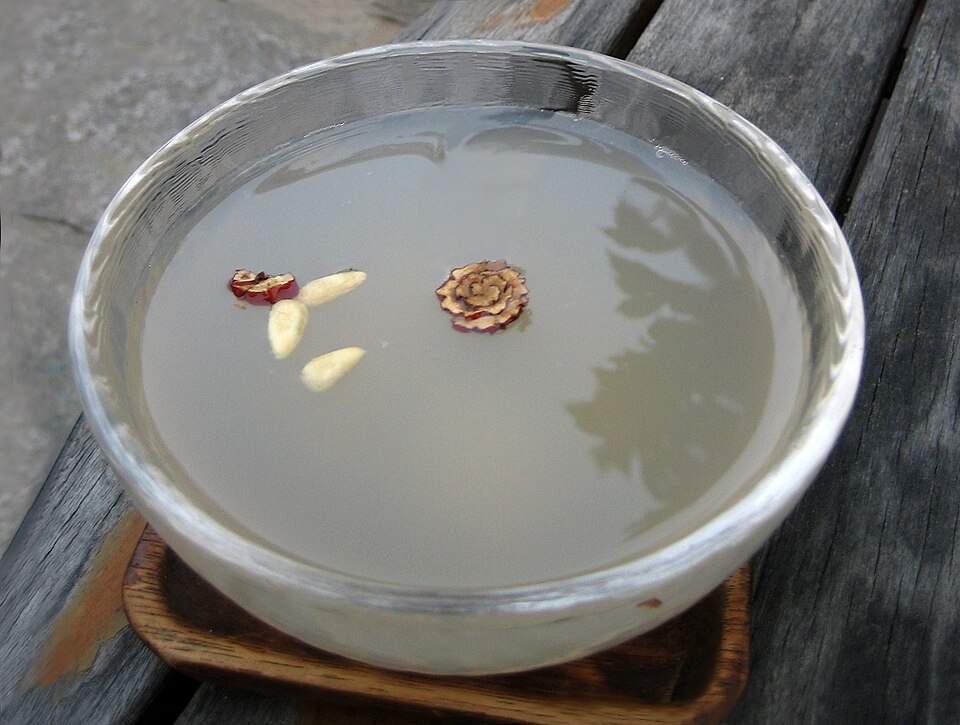
Grain beverages sit between pantry, dessert, and refreshment, so texture, sweetness, pack type, and chill preference matter.
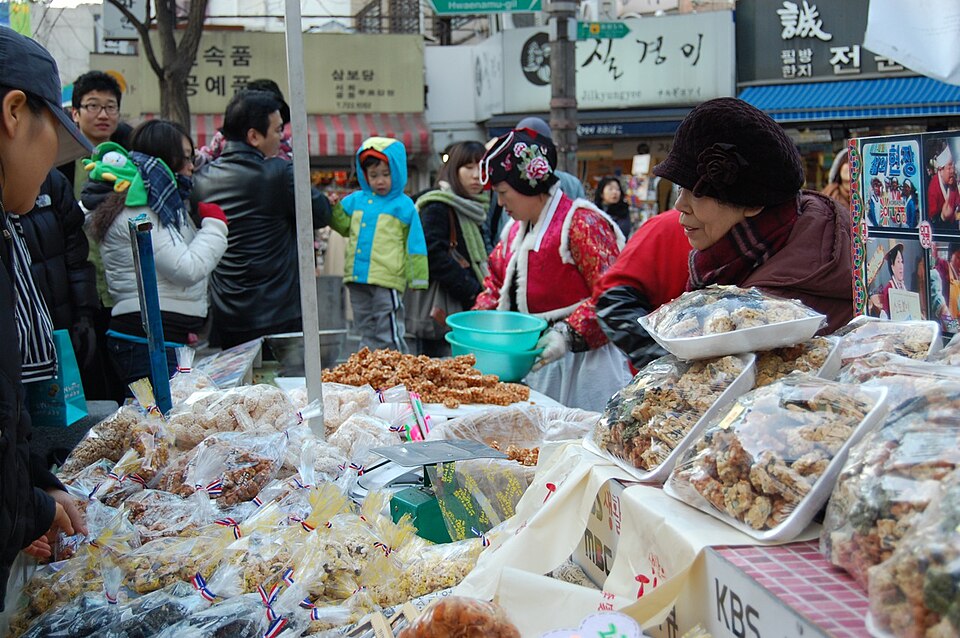
Dalgona and yakgwa feel more specific when crunch, syrup, honey notes, and tea pairing appear before the product list.
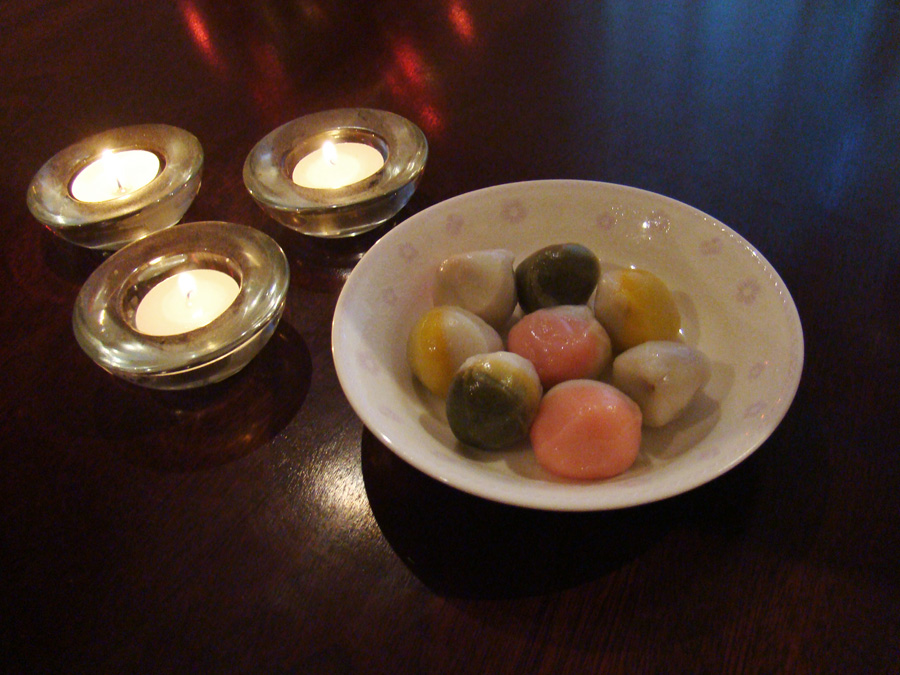
Bean jelly and red bean desserts need texture, serving size, sweetness level, and gift shelf cues to feel easy to choose.
Korean place stories
Regional cues are browsing cues, not product-origin certification.
Pan-Korean table cues work for rice, sauces, noodles, snacks, and drinks when the scene is everyday serving rather than a claimed origin.
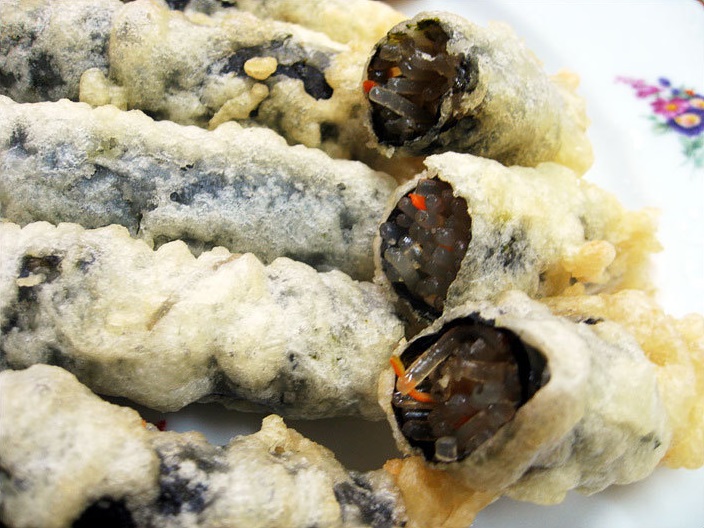
Coastal-table context helps seaweed products feel connected to rice, lunchboxes, light snacks, and savory pantry habits.
Street-market browsing connects tteokbokki, hotteok, pancake mixes, and demo-friendly foods to a scene people can picture.
Seoul-pop cues fit ramen, candy, and bold snacks when the draw is convenience, visual flavor, and a quick first bite.
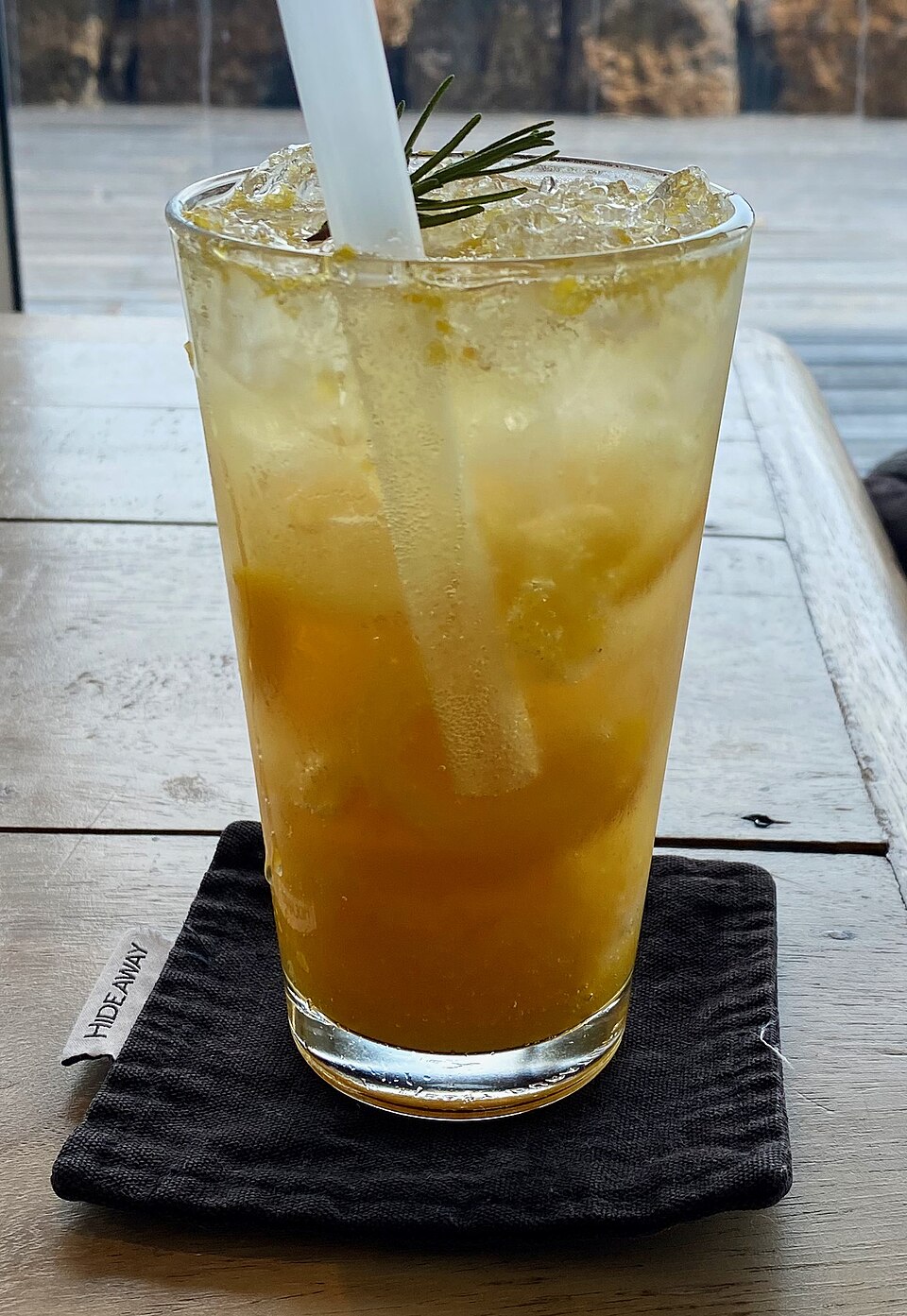
Jeju citrus context helps yuzu-citron tea feel specific without turning a jar into a broad origin or quality promise.
Boseong gives Korean tea browsing a place-story cue while the product choice stays focused on flavor, count, preparation, and gifting.
Mungyeong omija gives a place-story frame for red beverage bases while the buying question stays on flavor, dilution, and format.
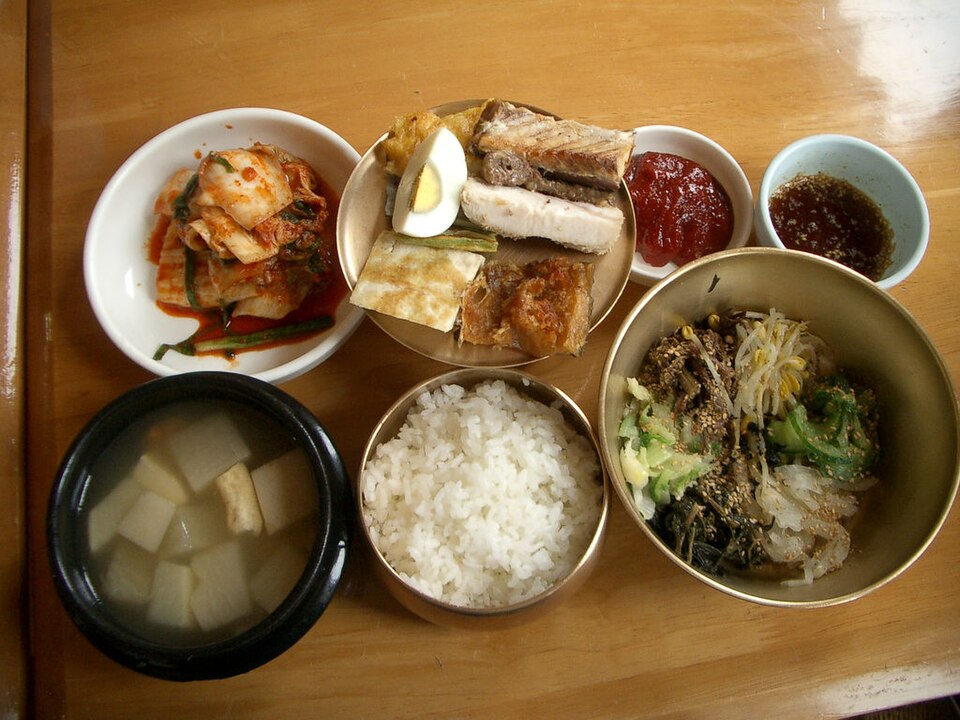
Andong-style place cues can support rice-drink and sweet-gift exploration while old-source context remains separate from product proof.
Jeonju rice-table cues help sauces, sesame oil, and ready bowls feel connected to vegetables, rice, and a composed meal.
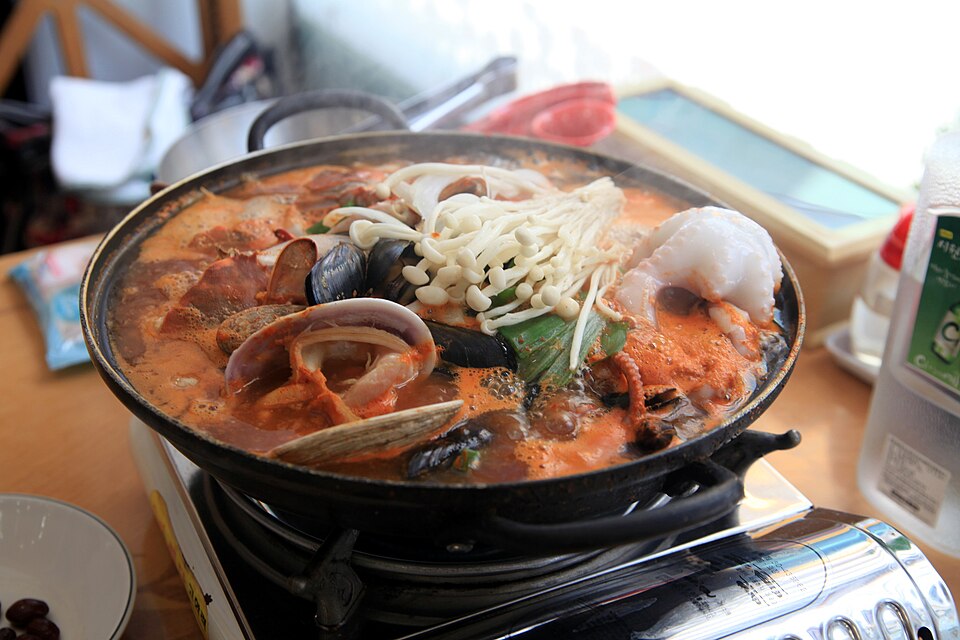
Busan summer cues fit cold noodles and chilled meal ideas when heat, vinegar, broth, and a refreshing bite are central.
BBQ-table context keeps ssamjang, soy-garlic marinade, wraps, vegetables, and rice in one shared meal scene.
Food roles
A snack, rice topper, sauce base, marinade, noodle meal, tea pairing, or sweet has a different first question.
Crunch snacks need immediate cues: texture, seasoning, pack size, desk-snack fit, and whether the taste lands sweet, savory, or spicy.
Rice toppers work when the serving image is simple: hot rice, seaweed flakes, sesame aroma, sauce, or a lunchbox-style shortcut.
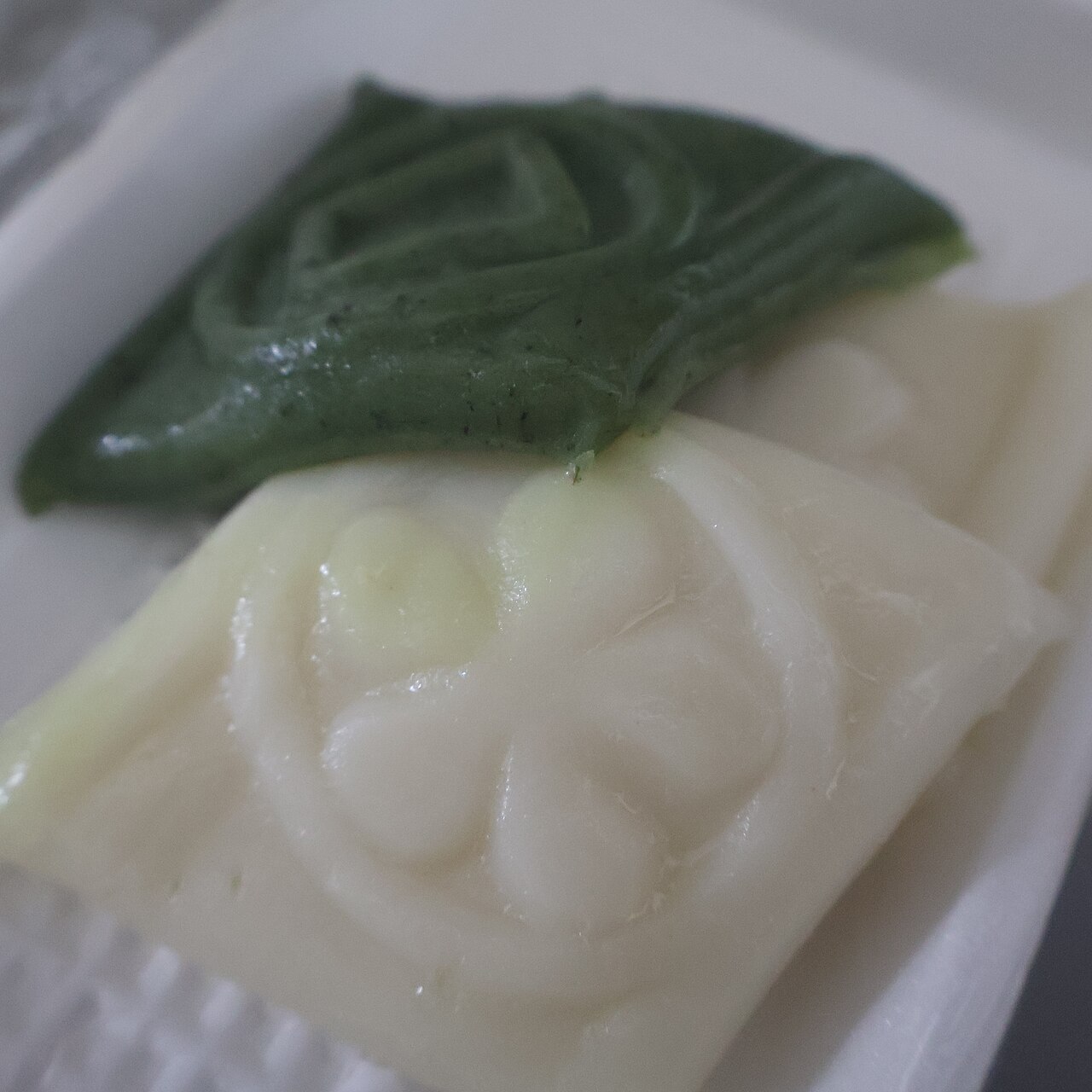
Sauce bases work when the choice names what they do: rice bowl, rice cake, noodle, dip, or vegetable wrap.
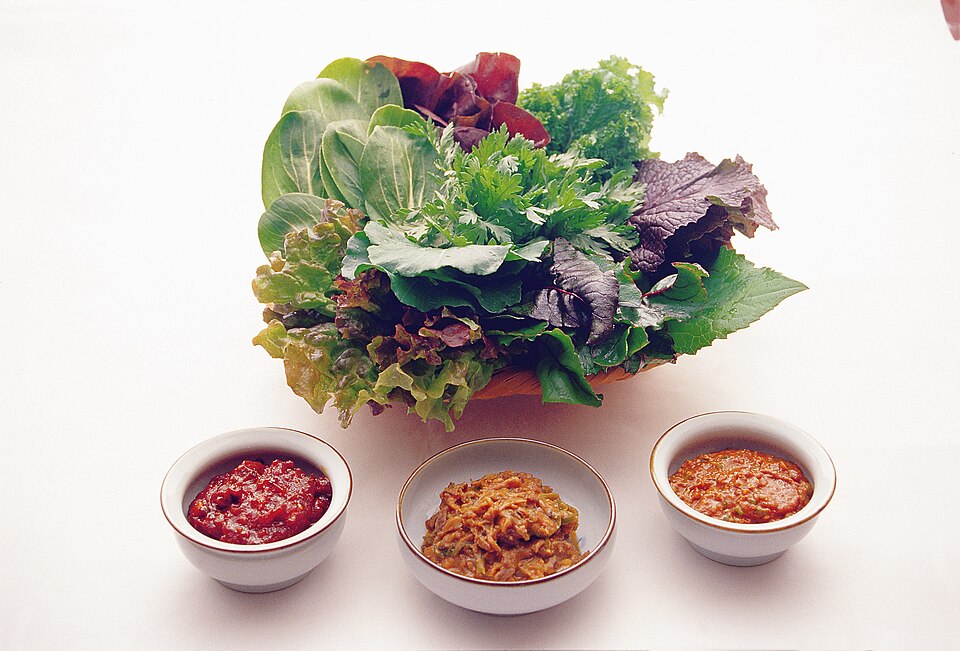
Dip-and-wrap foods make sense when ssamjang, lettuce, grilled meat, cucumber sticks, and rice all point to one table habit.
Marinades explain Korean flavor through a practical job: coat, cook, serve with rice, and make the table feel complete.
Noodles become easier to choose when meal mood, prep style, heat, and portion count appear before product comparison.
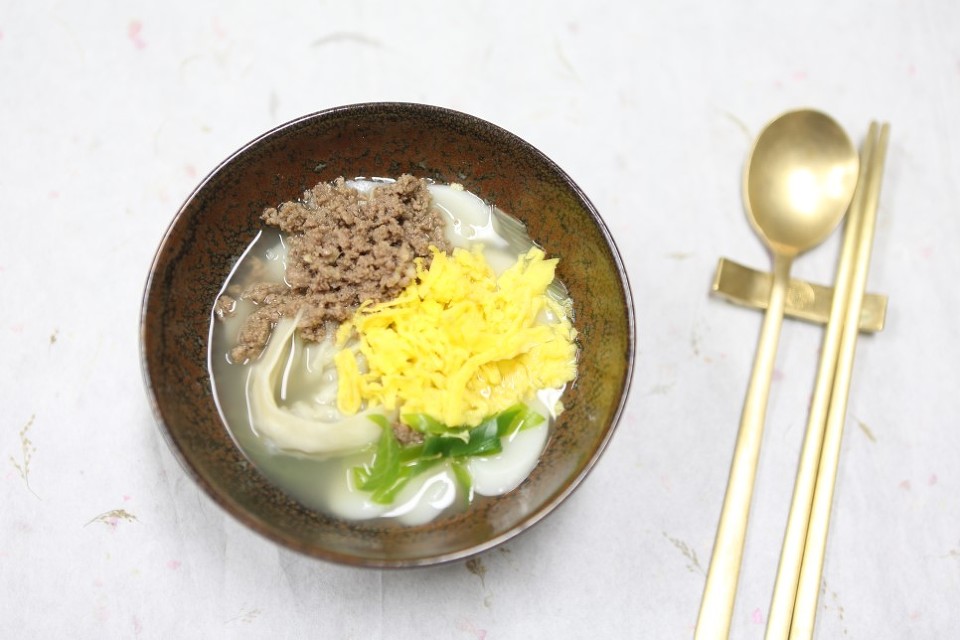
Ready meals work when the product answer is quick: serving size, heating format, texture after prep, and what sits beside it.
Dry mixes need a clear promise of activity and texture: pancake crispness, hotteok filling, water ratio, and pan confidence.
Finishing items earn space when a tiny amount changes aroma, color, crunch, or the way rice and vegetables come together.
Tea-pairing products feel clearer when the page names cup temperature, sweetness, dessert fit, and gift shelf presence.
Beverage bases need serving context before comparison: ratio, hot or cold prep, sweetness, jar format, and glass color.
Yakgwa, dalgona, and red bean jelly each need texture, pack, serving, and tea-pairing cues before a listing feels useful.
Source-backed context
Old Korean food materials can explain sauces, grains, sweets, rice cakes, and table order without turning history into a packaged-product claim.
17th-century cookbookBest for guides that explain why Korean pantry routes are deeper than modern snack trends.
Source: Korea.net / Eumsik Dimibang featureJoseon royal protocolsBest for traditional hansik explainers, premium gift sets, table-culture content, and export storytelling with clear source boundaries.
Source: Korea.net / Preserving Royal CuisineBest for sweets, beverage mix, tea pairing, giftable categories, and claim-safe fermentation notes.
Source: Korea.net / Jeungpyeon rice wine cakeBest for pancake mix, snackable pantry guides, starter kits, and cooking-demo education.
Source: Korea.net / Bindaetteok feature