Food moments
Start with the eating scene, then choose the path.
A first pantry bowl, street-food heat, noodle night, shared BBQ table, tea-and-sweets pause, snack sampler, regional cue, or heritage pantry story can make the next K-food choice feel natural before any product link or inquiry appears.
Browse by food moment
Let appetite pick the first filter.
Each moment keeps the first decision close to taste, texture, temperature, table setting, and memory. The card then opens a guide, filtered finder path, or category surface.
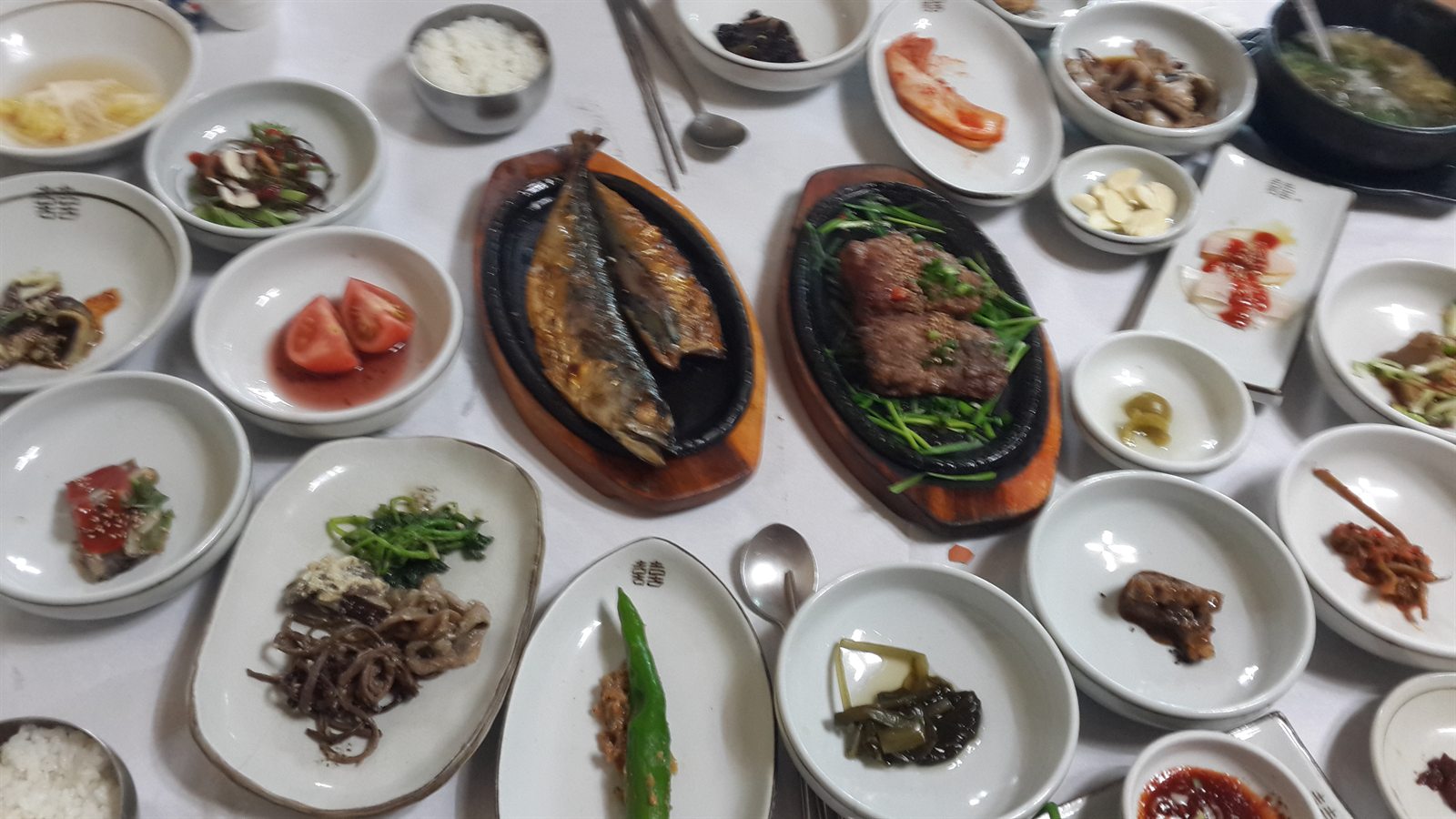
First pantry bowlRice, seaweed, sauce, and one warm cup
A first Korean pantry feels natural when it begins with one small table: rice or noodles, crisp seaweed, a spoon of sauce, sesame or tea, and a food that can repeat next week.
This is the low-friction moment for someone who wants K-food at home without learning a long recipe or building a full pantry at once.
The table logic comes from everyday hansik structure: rice as base, banchan nearby, sauces for direction, and tea or sweets as a quiet finish.
- Rice base
- Sauce bowl
- Tea pause
SnacksSaucesPantryTea
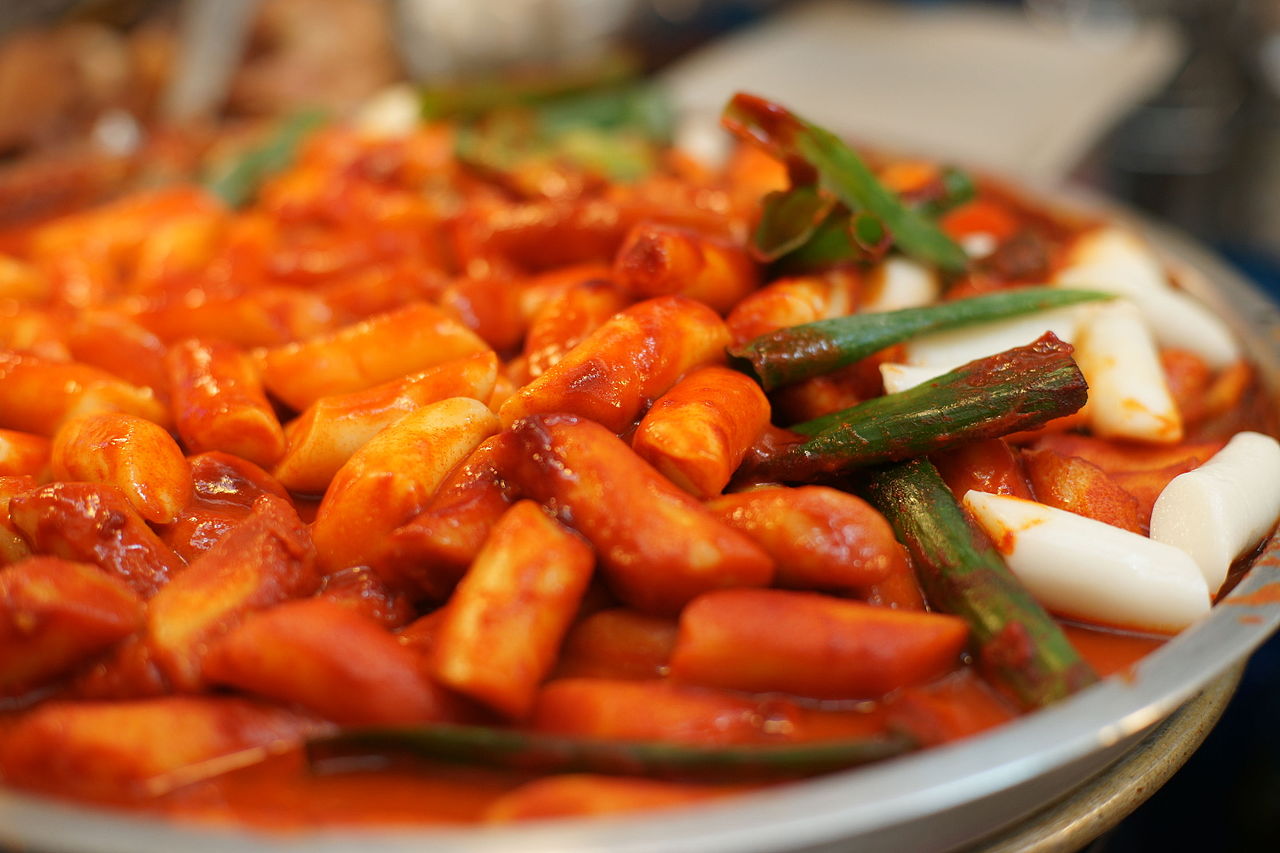
Street-food heatTteokbokki sauce before the brand question
The craving is usually sauce first: spicy-sweet, glossy, warm, and easy to imagine with rice cakes, noodles, fried snacks, vegetables, or a small late-night bowl.
This is the moment created by short videos, restaurant memories, and after-work comfort when someone wants the flavor before they know the exact item.
The deeper context is Korean sauce culture: gochujang, dipping bowls, rice, vegetables, shared plates, and side dishes carrying heat across a table.
- Spicy-sweet
- Sauce texture
- Rice cakes
SnacksSaucesNoodles
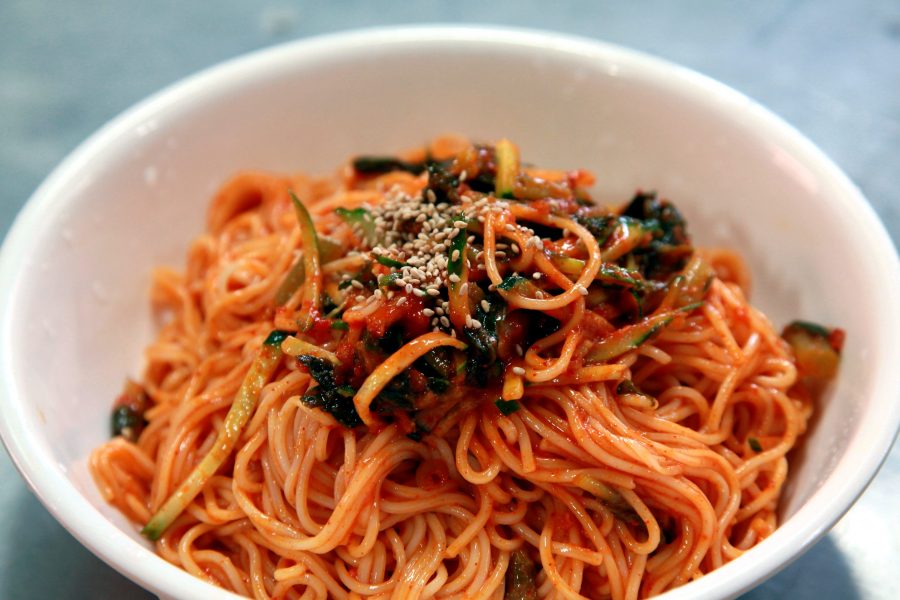
Noodle nightFast bowls with different meal moods
A noodle night can be spicy broth, black-bean comfort, cold summer bite, or quick rice-bowl fallback. The useful path is meal mood, not one generic ramen idea.
This is the high-recognition K-food moment: simple enough for a weeknight, but still shaped by heat level, toppings, portion count, and preparation style.
Korean noodle context also touches stored sauces, wheat and starch textures, cold serving habits, broths, rice sides, and seasonal table rhythms.
- Heat level
- Comfort bowl
- Preparation
NoodlesPantrySauces
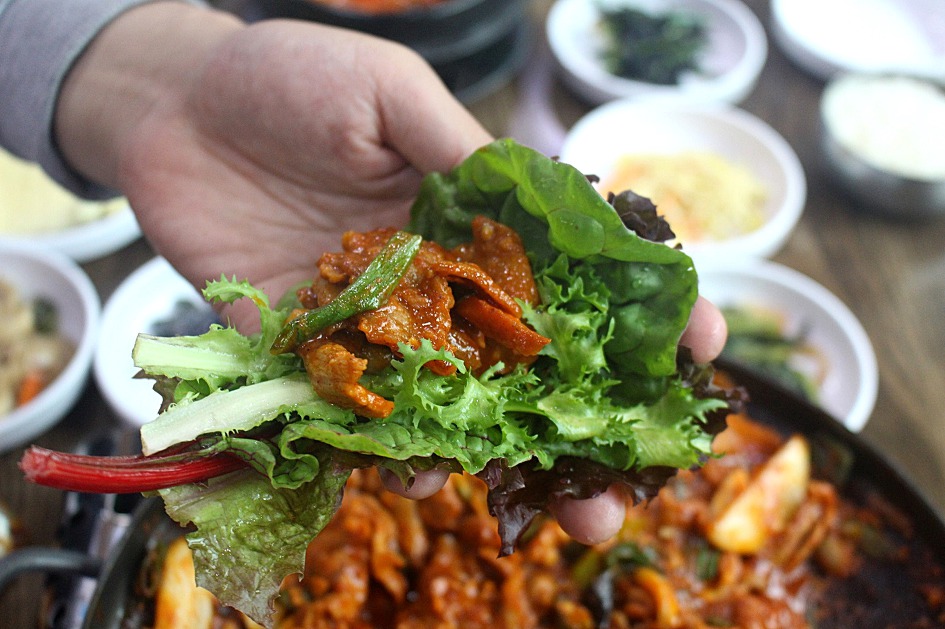
Shared tableGrill, wraps, dips, and vegetables together
Barbecue-style K-food becomes easier to understand when the sauce, wrap, vegetable, rice, and shared plate all appear in the same table picture.
This is the dinner-party or weekend-cooking moment where a shopper wants something social, saucy, and recognizable without turning the page into a recipe.
The table context is ssam logic: greens, fermented pastes, rice, grilled food, small dishes, and dipping cues giving each pantry item a clear role.
- Wrap table
- Dipping
- Shared meal
SaucesPantry
Food finder pathOpen grill-table dips, wraps, and marinadesThis path fits a shared table picture: lettuce wraps, dipping bowls, marinades, vegetables, rice, and a weekend meal.
Read the guideKorean sauce pantry basics for first sauce choicesA sauce guide that explains gochujang, tteokbokki sauce, ssamjang, and marinades as distinct meal-use choices.
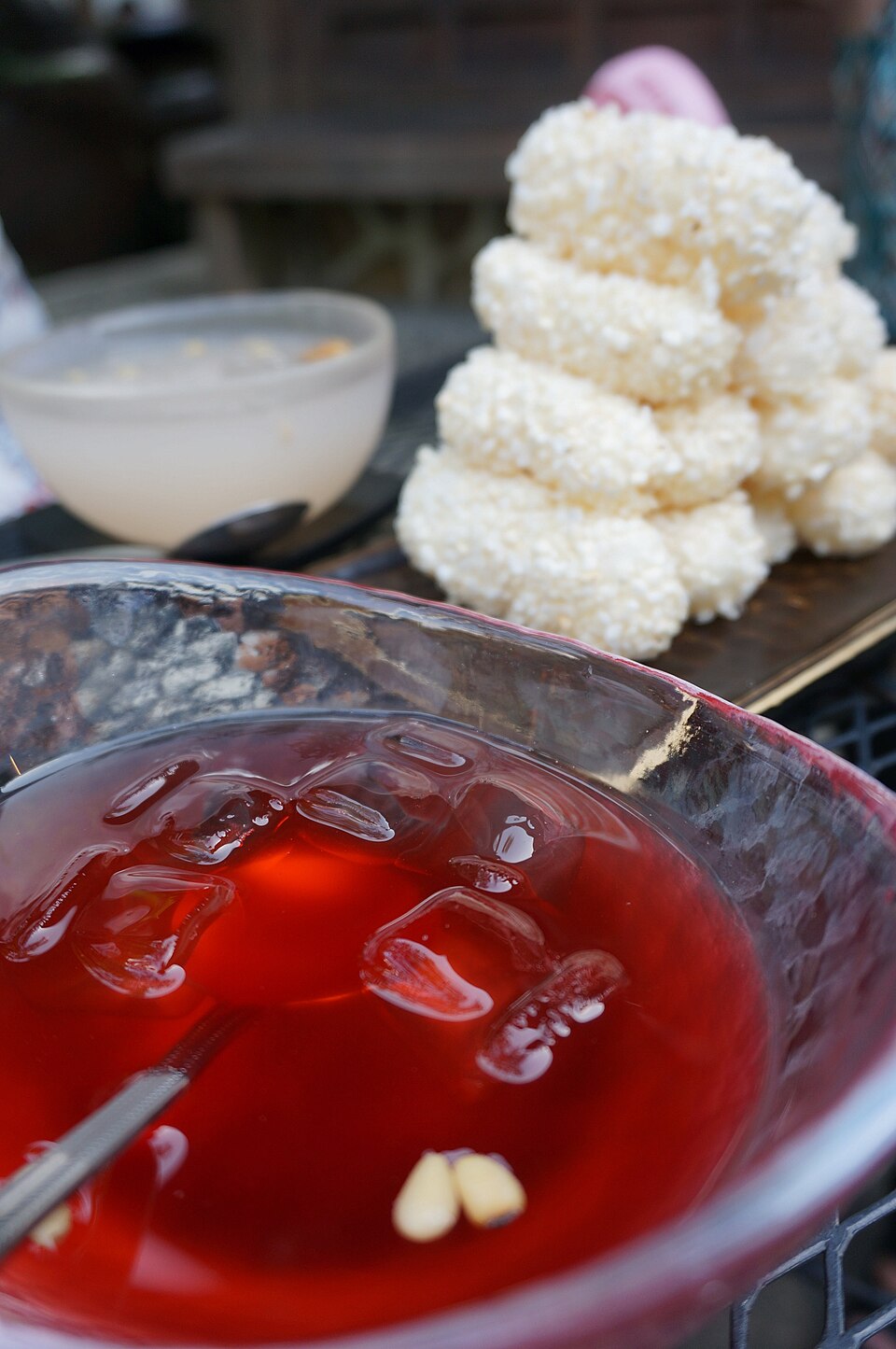
Slow finishTea, yakgwa, fruit drinks, and softer sweets
Korean tea and sweets work best when the visitor can picture texture, cup temperature, serving size, gift setting, and whether the food needs a short explanation.
This is the gift, dessert, or quiet afternoon moment: less about a cart and more about how a sweet or drink feels beside another person.
Royal-table and old-cookbook context adds depth to sweets, tea, rice cakes, and fruit beverages while keeping modern packaged foods in the present.
- Tea pairing
- Gift setting
- Texture
TeaBeverage MixSweets
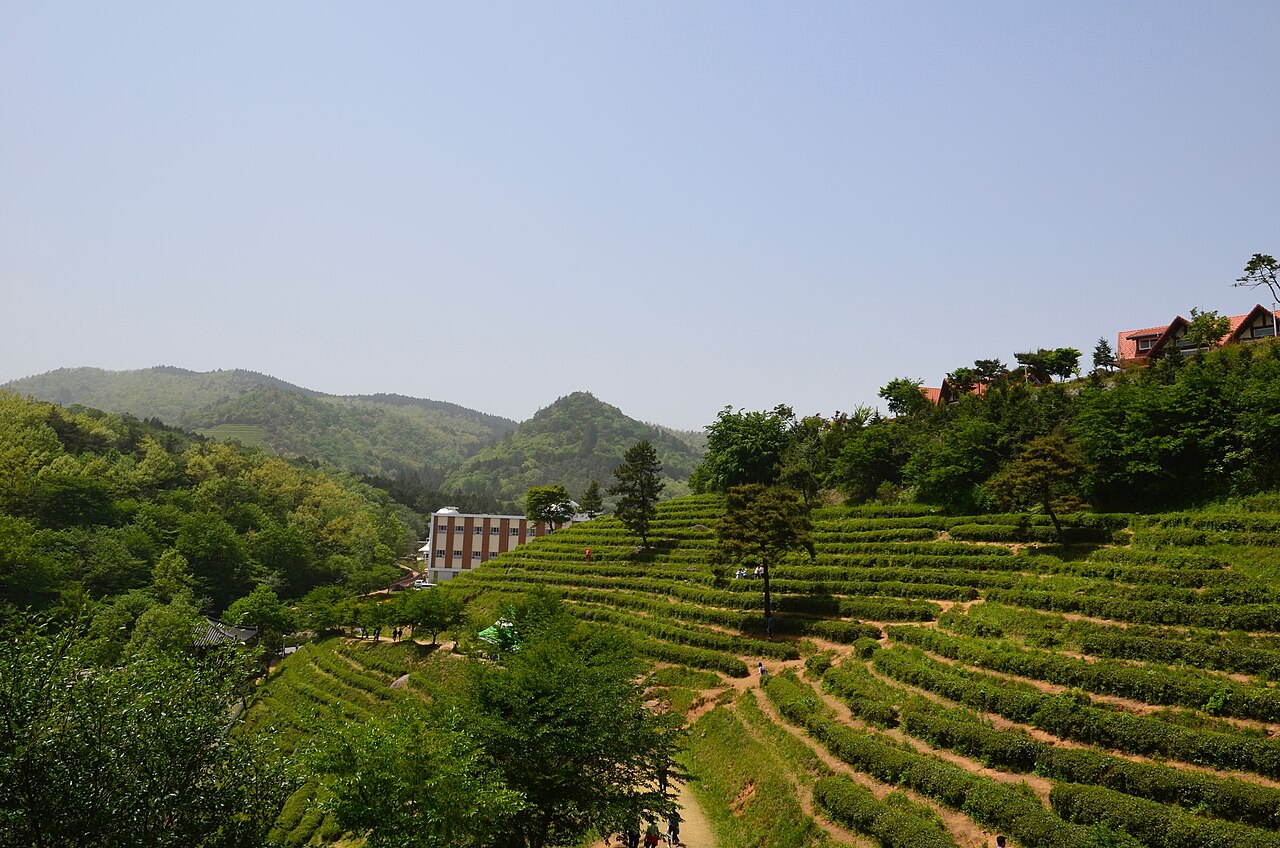
Place storyJeju citrus, Boseong tea, and regional flavor cues
Place stories help visitors remember a food path: citrus drinks, tea fields, omija, summer noodles, rice bowls, and coastal snacks each carry a different Korean setting.
This is the browsing moment when a visitor is not ready to pick an item but wants a memorable reason to keep exploring the food family.
Regional language stays useful as food navigation only: it can suggest a flavor setting, table mood, or source tradition without certifying a product origin.
TeaBeverage MixNoodlesPantry
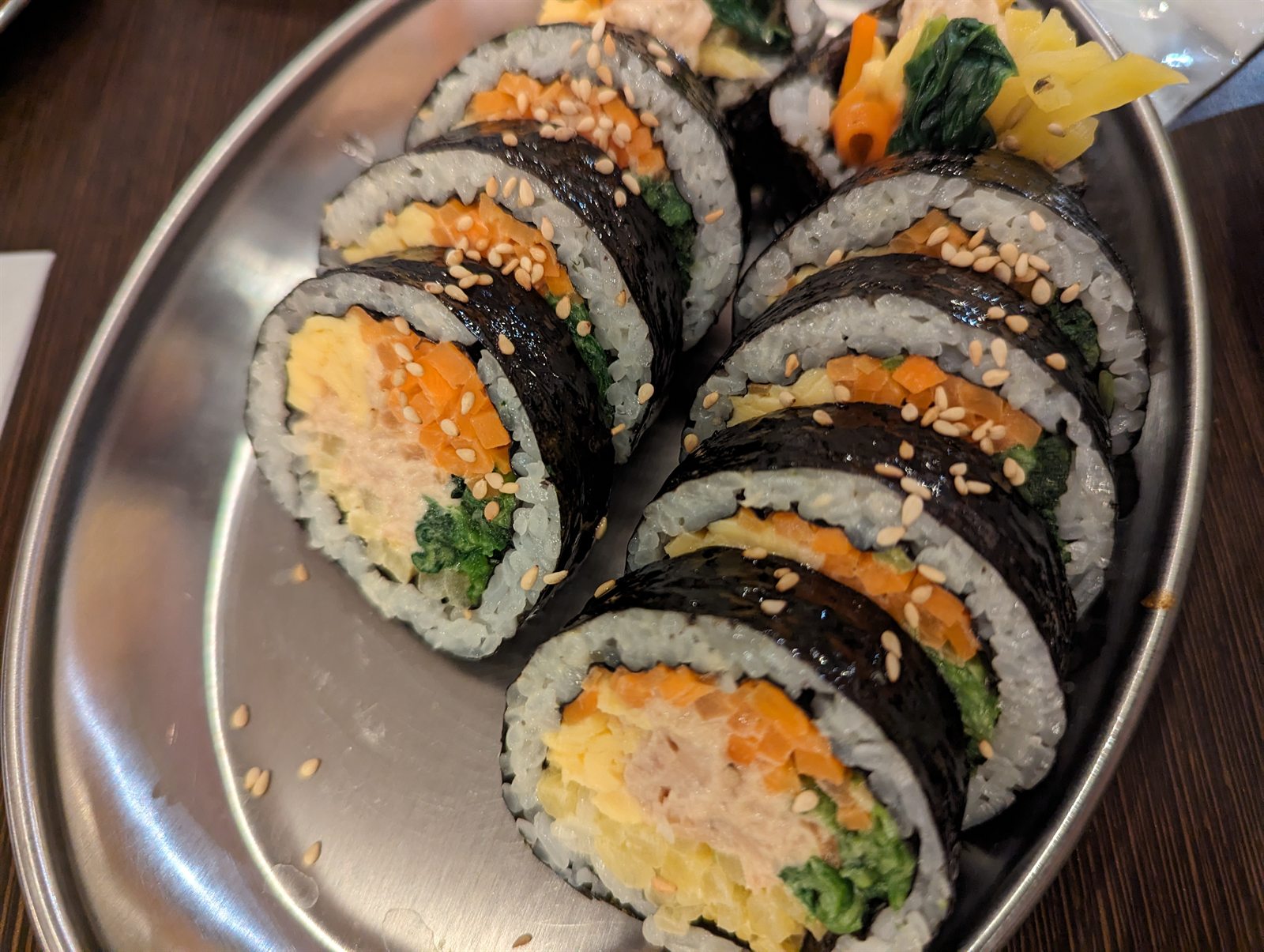
Sampler tableCrunch, lunchbox, and party-bowl discovery
A snack sampler feels better when it mixes crunch, seaweed, rice, sweet-savory flavors, lunchbox cues, and small sweets instead of acting like one product has to explain K-food.
This is the office pantry, movie-night, party bowl, or first-gift moment where small bites create curiosity without cooking pressure.
Snack context can still borrow table logic: rice, seaweed, sesame, sweets, tea, and side-dish habits give each small pack a reason to exist.
- Crunch
- Lunchbox
- Small bites
SnacksSweetsPantry

Heritage depthOld sources behind sauces, grains, and sweets
Historic source context gives modern K-food more texture when it explains table order, stored foods, fermented sauces, rice cakes, tea, and sweets without turning history into a claim.
This is the quiet discovery moment for someone who wants the food to feel less random and more rooted before opening another guide or category.
Old cookbooks and royal-table records can explain food families, preparation logic, and serving order while modern packaged foods stay clearly separate.
- Old sources
- Table order
- Food family
SaucesPantryTeaSweets
Next step
Move from mood to a narrower map.
